
Red Rocks, Hvar and Pakleni islands private boat tour
Red Rocks, Hvar and Pakleni Islands Private Boat Tour from Split
This private boat tour from Split spends its morning on a coast that day trips from the city almost never reach: the Red Rocks, a wall of vertically bedded red limestone on the southern side of Hvar, roughly 8 kilometres east of Hvar Town, with no road down to it. You arrive from the sea, swim under the cliffs, and then work back west through Dubovica bay, Hvar Town and the Pakleni islands.
Every other full-day tour we run to Hvar approaches from the north and turns for home without rounding the western cape. This one goes round.
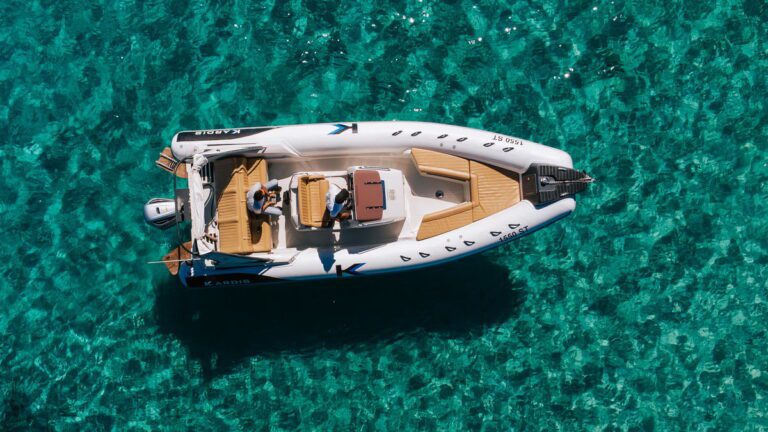
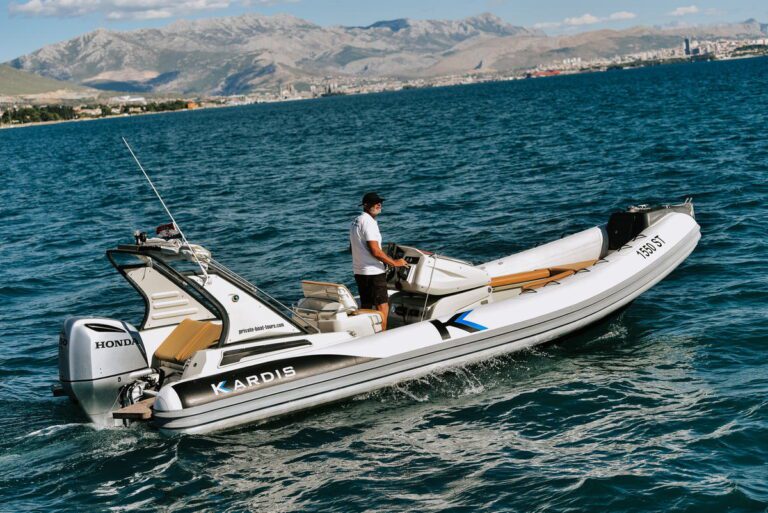
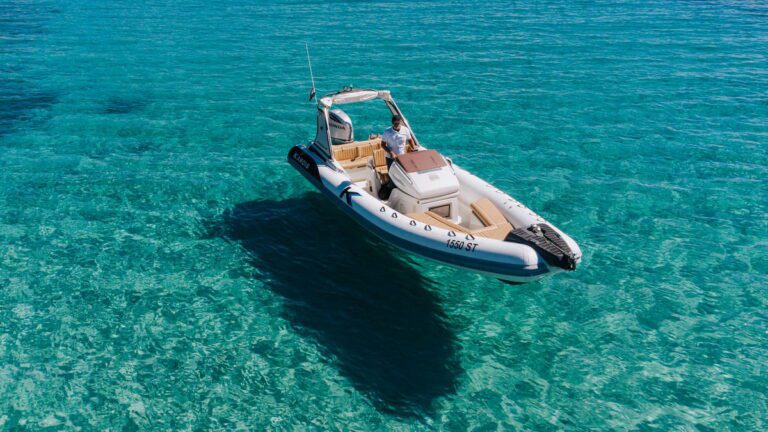
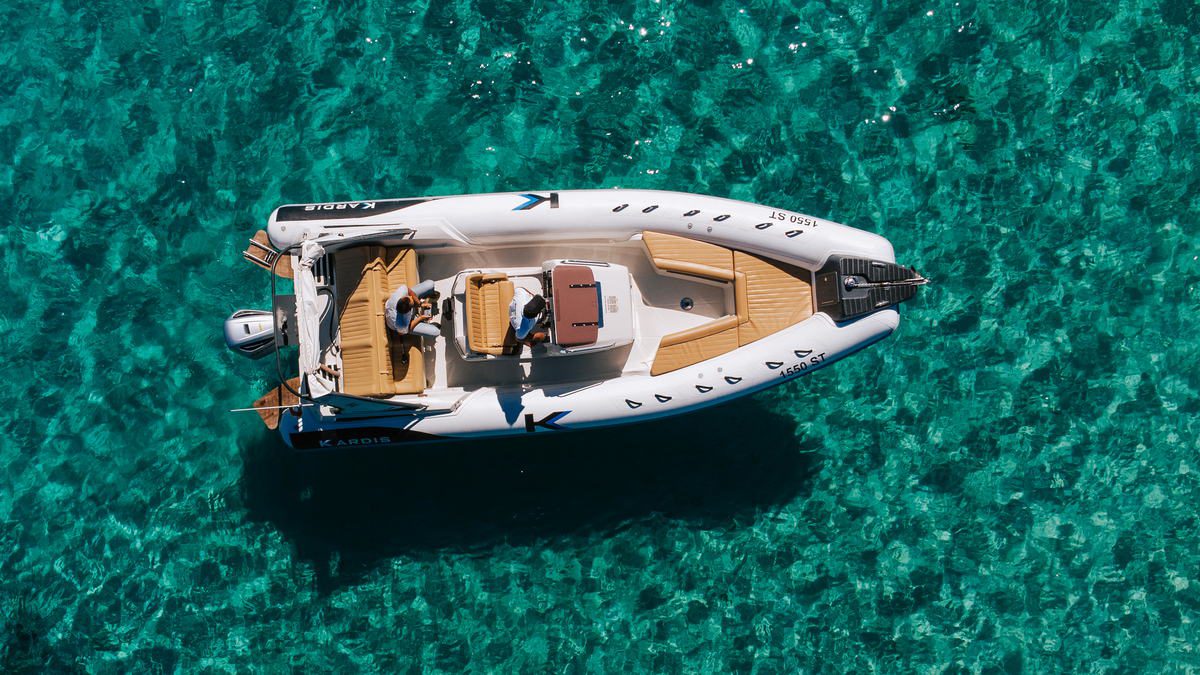
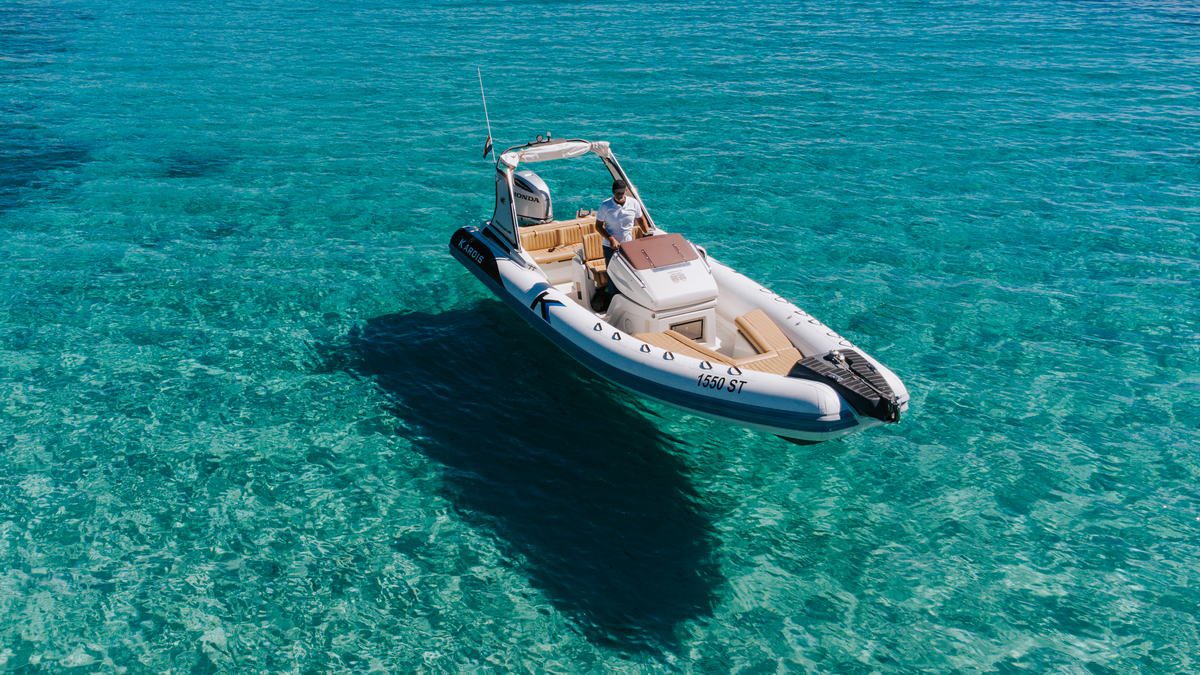
The boat is yours for the day, up to 12 guests, licensed skipper included. If the jumping is good you stay longer; if the wind turns, your skipper changes the order of the day rather than the day itself.
Where exactly are the Red Rocks?
Crvene stijene, the Red Rocks, are on the southern coast of Hvar island, about 8 kilometres east of Hvar Town, just past the coves of Dubovica and Pišćena on the way towards Sveta Nedjelja.
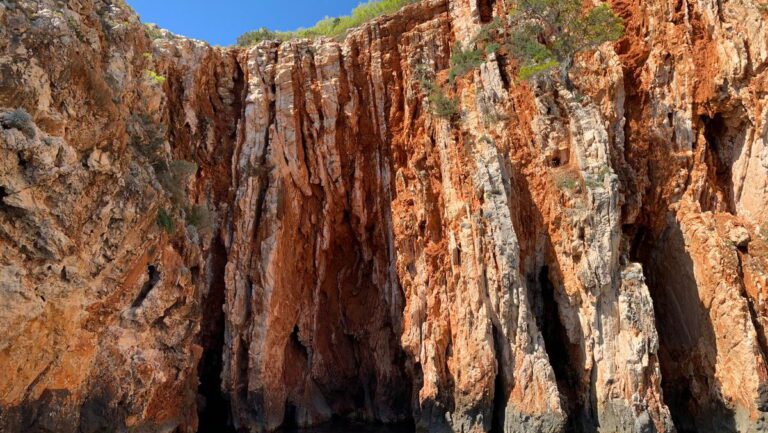
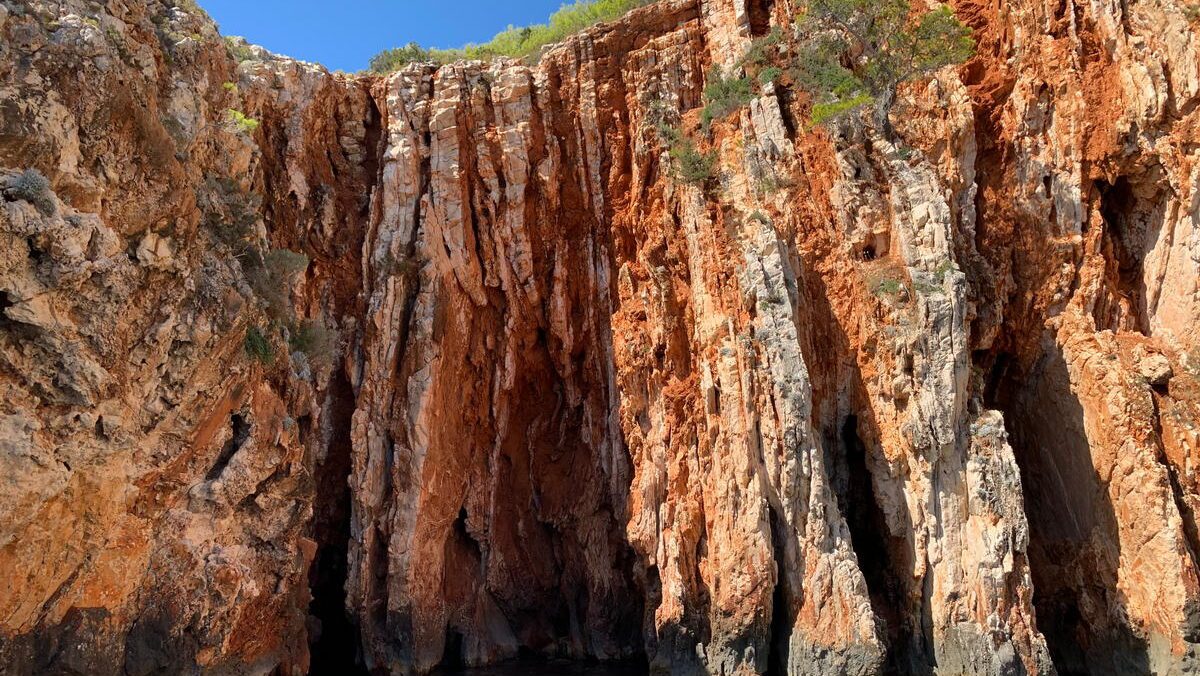
The name is literal. The cliff is layered in near-vertical bands of reddish limestone that step straight down into deep water, and the tallest sections stand around 15 metres above the surface. The colour is in the stone itself, which matters more than it sounds: the Blue Cave on Biševo only performs for a few hours around midday, while this wall looks the same at nine in the morning as it does at five in the afternoon.
There is no road to the foot of the cliffs and no marked path down: you get there from the sea or you do not get there. That is the reason the water in front of the wall stays quiet in August, while Dubovica, which has a road above it, does not.
The route
The tour lasts about 10 hours in total, normally 08:00 to 18:00. We do not publish a minute-by-minute schedule — on a private boat the time at each stop is yours to decide, and the sea decides the rest.
Departure from Split
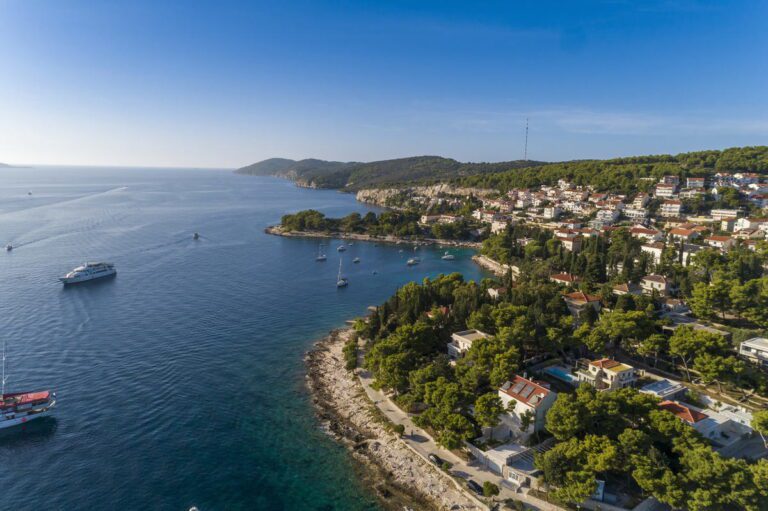
You meet your skipper at the agreed pick-up point, get a short safety briefing and head south. The boat crosses the channel past Šolta, rounds the western tip of Hvar with the Pakleni chain to port, and turns east along the island's southern shore.
That last leg is the part no scheduled boat from Split makes. This side of Hvar has no ferry port and barely any coastal road — from the water it is a long run of cliff broken by small coves with nothing built on them. If you'd rather visit independently, see our guide on how to get from Split to Hvar.
Red Rocks (Crvene stijene)
The stop the tour is named after, and normally the first swim of the day.
Your skipper takes the boat in close under the wall. The sea is deep right up to the rock, so there is no shelving beach to wade in from — you go in off the boat. On one side of the formation a low cave runs back to a small pebble beach you can swim into and stand up in, and along the base of the wall the bottom is rock and boulder rather than sand, which gives the snorkelling here more to look at than the pale lagoons on our other routes.
Most guests do three things at this stop: swim into the cave, snorkel the wall, and jump. A waterproof phone case earns its keep too — the good angle is from in the water, looking up.
Dubovica
The next cove west, and deliberately the opposite kind of stop.
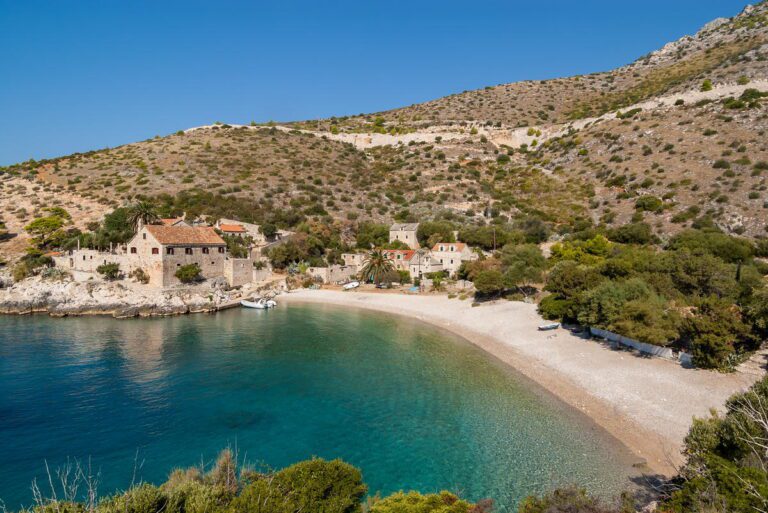
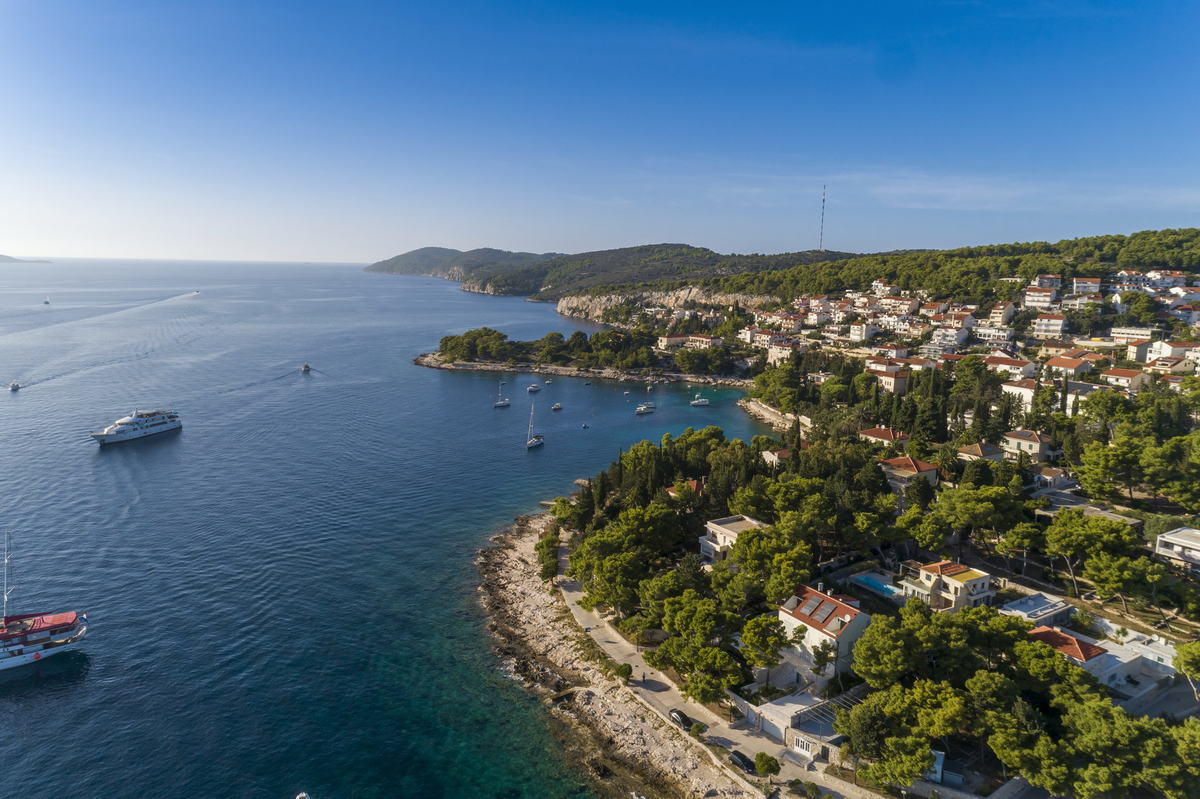
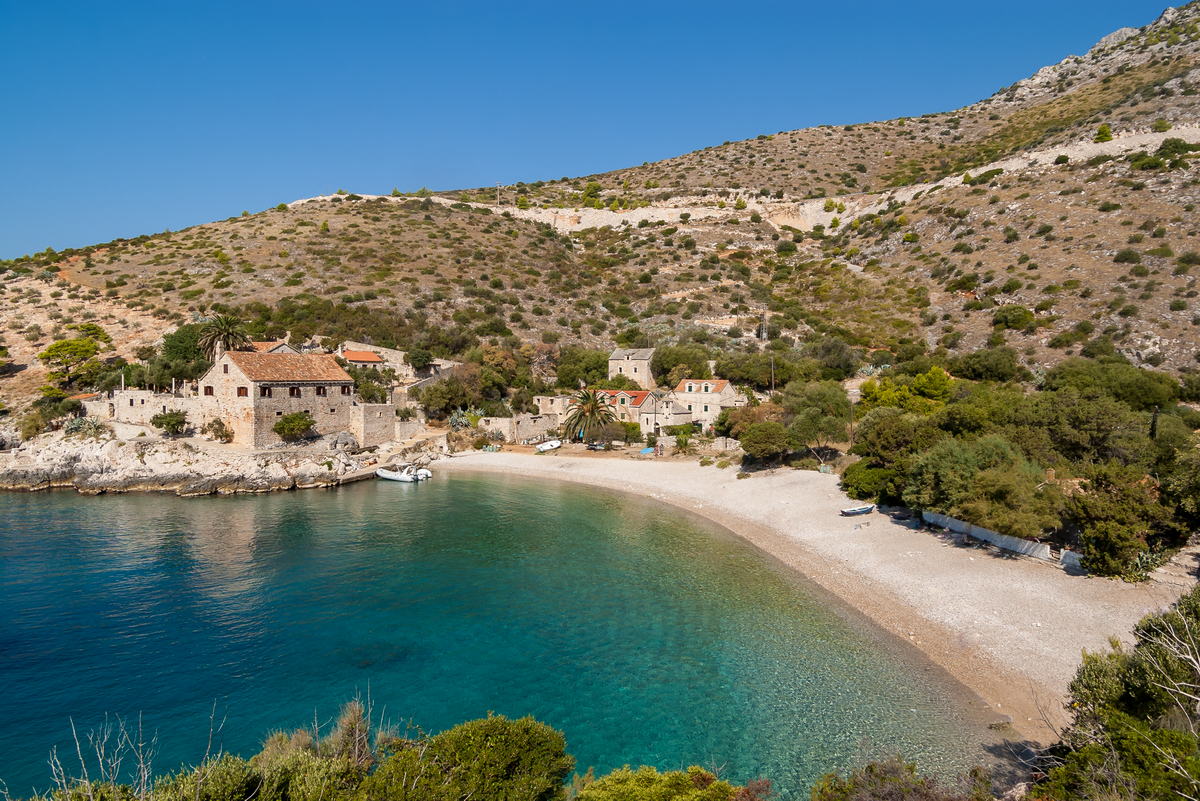
Dubovica is a wide pebble bay with a stone summer house of the Kasandrić family and a small church standing behind the beach, and a tavern that opens in season. A road runs along the slope above it, but the only way down is a steep footpath, which is exactly why the beach fills up slowly: everyone on it walked. Arriving by boat, you anchor off and swim the last few metres.
This is the shallow, unhurried half of the morning, and the place most groups choose for lunch. The bay faces south-west, so it holds the afternoon sun long after the cliffs behind it have gone into shade.
Hvar Town
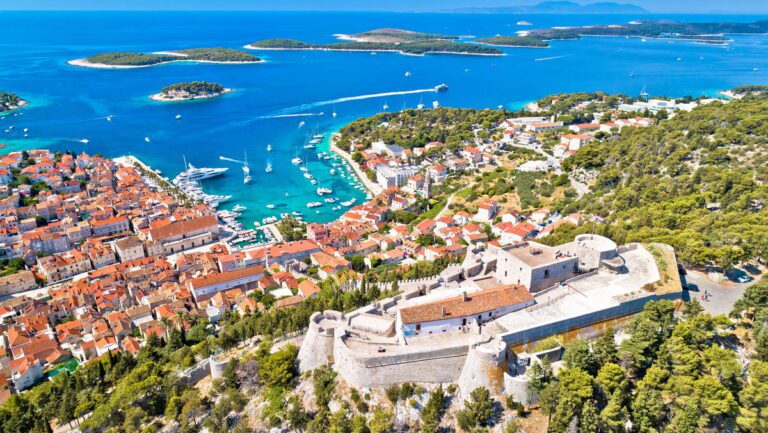
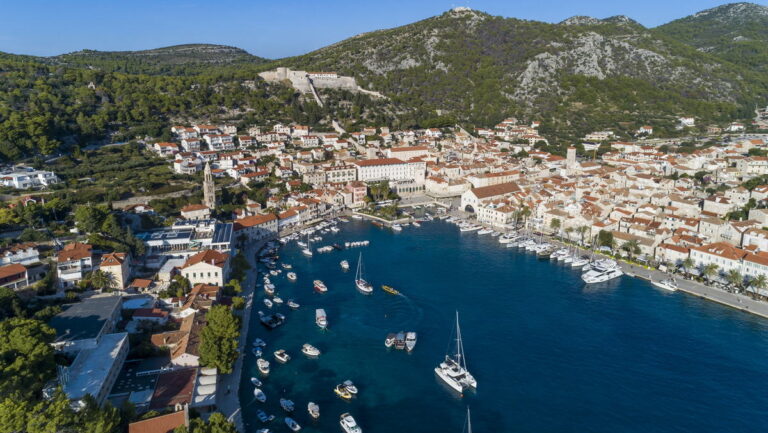
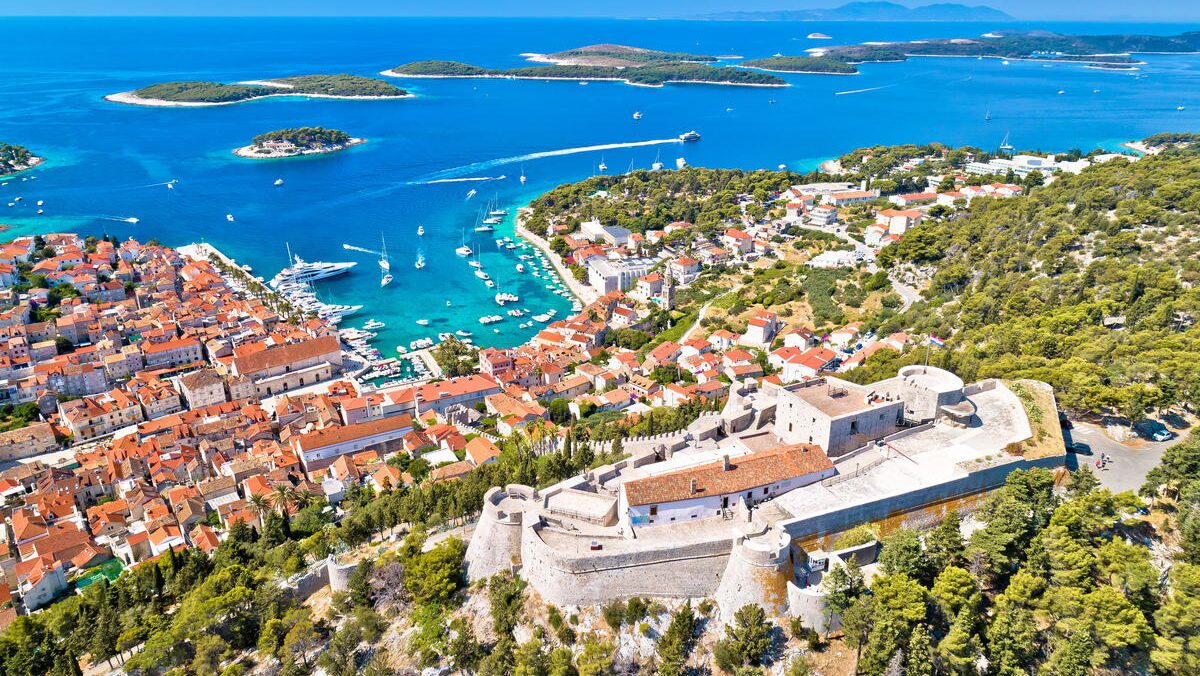
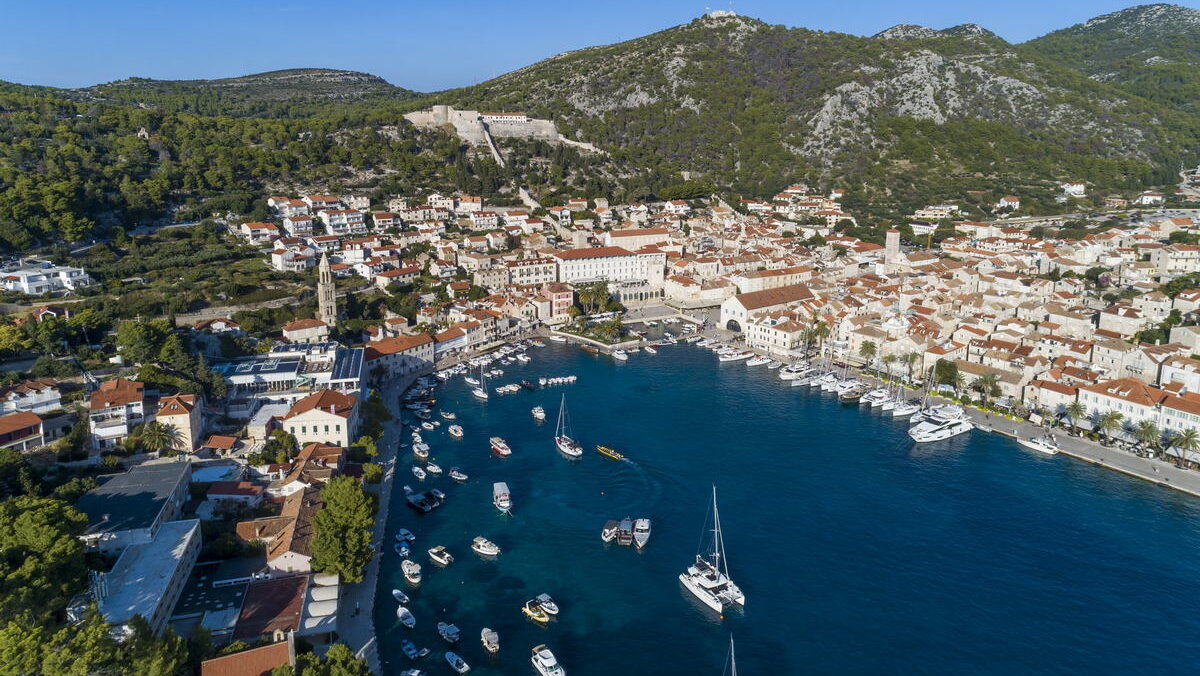
Back round the cape and into the harbour of Hvar, an island with more than 2,700 hours of sunshine a year and a town that has been the important address on this coast since the Venetians ran the Adriatic.
You dock and have free time. Everything worth seeing is within ten minutes on foot:
- St Stephen's Square, at around 4,500 m² the largest historic square in Dalmatia, built on a bay that was filled in over centuries, with a public well from 1520
- St Stephen's Cathedral and its Renaissance bell tower closing the eastern end of the square
- the Arsenal, which houses one of the oldest municipal theatres in Europe, founded in 1612
- the Fortica (Španjola) fortress on the hill, and the view from it down onto the Pakleni channel
This is the longest stop of the day and the only one with shops, cash machines and a proper choice of restaurants.
Pakleni islands
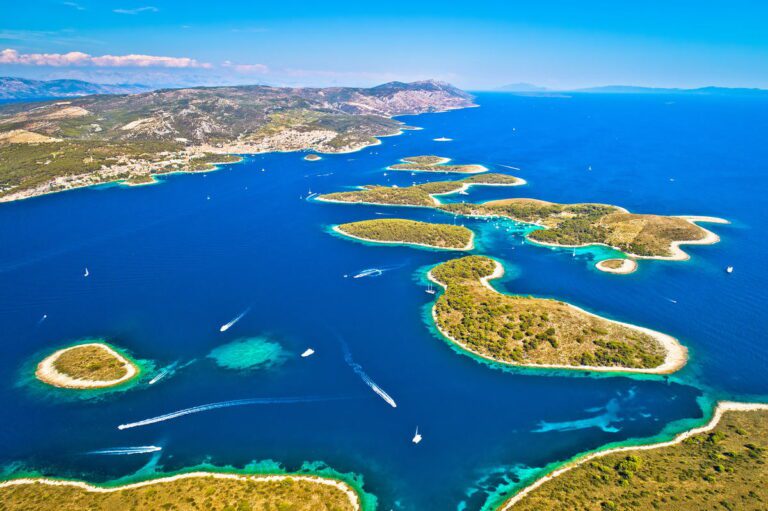
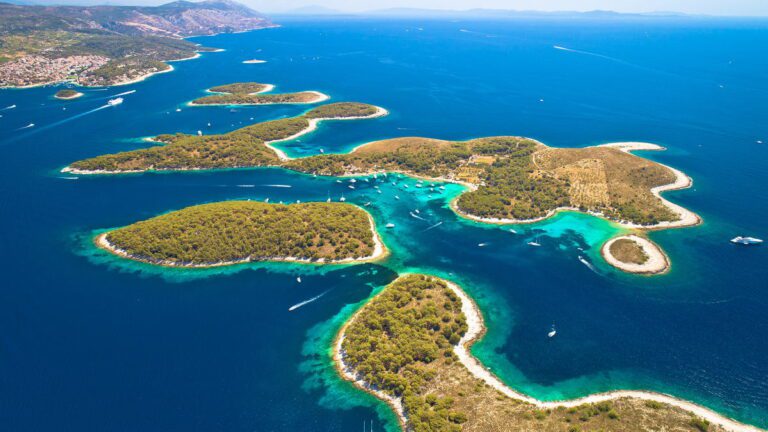
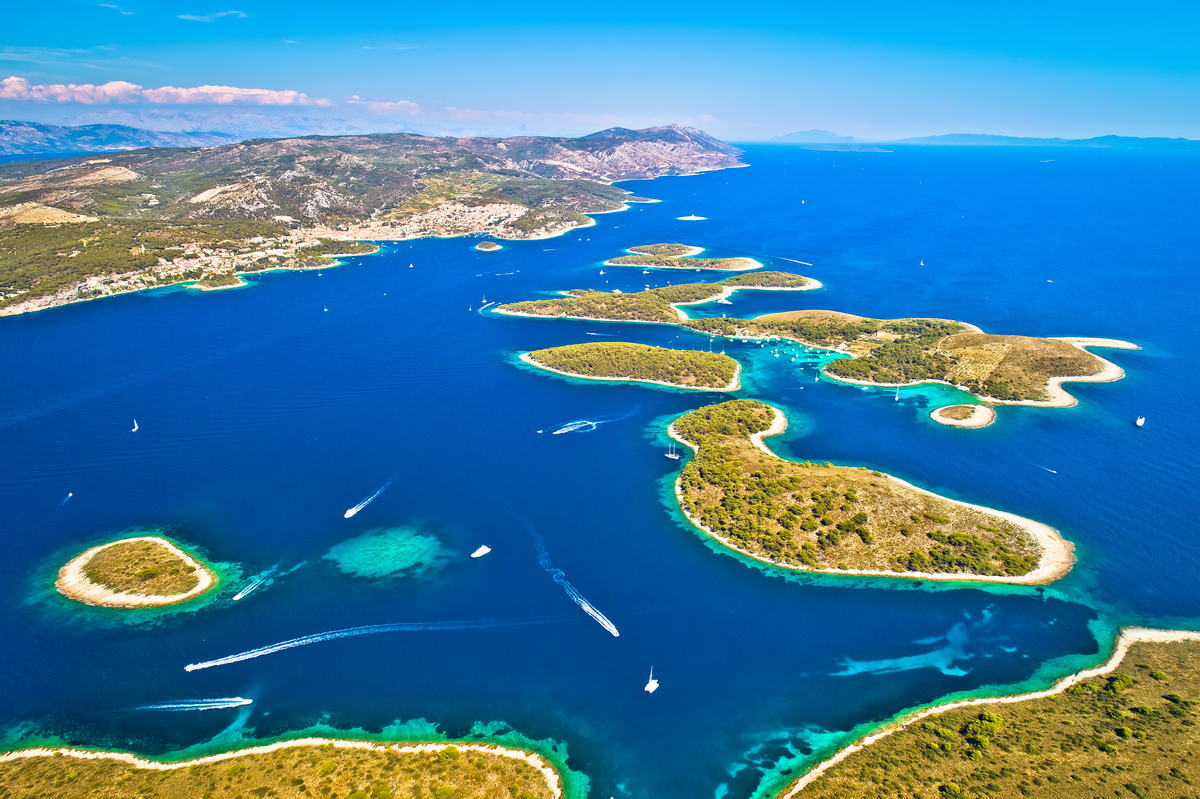
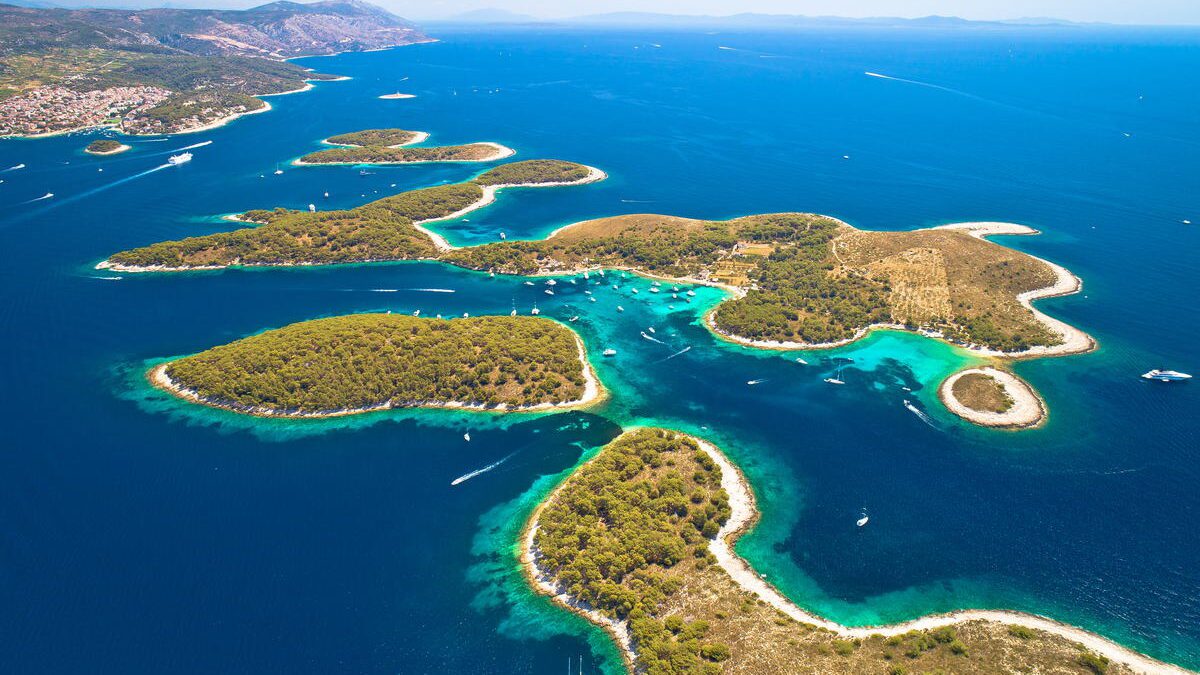
A few minutes out of the harbour lies the chain of wooded islets that shelters the town from the open sea.
English speakers usually get the name wrong. It comes from paklina, the pine resin once boiled here to seal the hulls of wooden boats, and has nothing to do with the word for hell. There are sixteen islands and islets in the group, and Sveti Klement is the largest of them.
Where you stop depends on the wind and on what is left of the afternoon. Palmižana has a botanical garden, an ACI marina and beach restaurants; Ždrilca and Mlini, the channels beside Marinkovac, are the sheltered option when the south coast has been lively. Our guide to things to see on the Pakleni islands goes through the bays one by one if you want to choose in advance.
Return to Split
The run home takes about an hour in settled conditions, with the Pakleni channel behind you and the mainland mountains rising over the city ahead.
Cliff jumping at the Red Rocks
This is the part guests ask about most, so it is worth being plain.
Nobody has to jump. Plenty of groups spend the whole stop without leaving the surface, and that is a full stop in its own right.
If you do want to, the wall gives you a range. The lowest usable ledges are a metre or two up and suit almost anyone; the higher ones are a serious drop and not for first-timers. Your skipper shows you which ledges are in use that day, where the water underneath is clear of rock, and where to swim back to the boat. Follow that and nothing else — the top of the wall is not a jumping platform.
You get in and out over the side, with no bottom to stand on, so the stop suits confident swimmers; buoyancy aids are on board for anyone who wants one. It is also the only place on the route where jumping makes sense — there is none at Dubovica or in the Pakleni islands.
Which of our Hvar and Pakleni tours should you take?
Five of our tours from Split finish the day in Hvar Town and the Pakleni islands. They look similar in a search result and they are not, so here is the difference in one place.
This tour — Red Rocks and Dubovica
The only route that rounds the western cape onto Hvar's southern coast, and the only one with cliff jumping. About 10 hours.
Blue Lagoon, Hvar and Pakleni islands
Swaps the Red Rocks for Krknjaši near Trogir, a lagoon shallow enough to stand up in over most of its area. The easiest water of the five.
Golden Horn, Hvar and Pakleni islands
Swaps them for Zlatni Rat and the town of Bol on Brač: the most photographed beach in Croatia plus the best-known island town.
Hvar and Pakleni islands, full day
No third island at all. About 8 hours, split between the town and the archipelago.
Hvar and Pakleni islands, half day
Five hours, morning or afternoon departure. The shortest and cheapest way to see Hvar on a private boat.
Rule of thumb: take this tour to swim somewhere you cannot drive to and jump off a rock while you are there. Take the Blue Lagoon version if someone in the group is a weak swimmer, the Golden Horn route if you want the famous sights rather than the empty ones, and either of the plain Hvar and Pakleni tours if the town itself is the reason you are going.
Best time of year for this tour
- May and early June – comfortable air, sea around 20–22 °C, and the Red Rocks to yourselves. The rock reads reddest in strong side light, so late morning suits photographs.
- July and August – warmest sea and longest days. Hvar Town is busy and Dubovica fills up by midday, but the cliffs stay quiet because nobody can walk to them.
- September – the sea is at its warmest of the whole year and the crowds have thinned. For many guests the best month of the season.
- October – still pleasant on calm days, though the weather turns less predictable and the tavern season is ending.
Wind matters here more than on our routes through the inner channels. Hvar's southern coast faces the open Adriatic, and a jugo from the south-east puts swell straight onto the wall. Your skipper will say so before you leave Split rather than after; the usual substitute is more time in the Pakleni islands, which stay calm in almost any wind.
Who is this tour for?
Confident swimmers
A cave to swim into and a wall to jump off.
Snorkellers
A rock and boulder bottom at the cliffs, worth looking at rather than swimming over.
Groups of friends
Up to 12 guests, Bluetooth audio on board, and an empty bay while everyone else is on the north side of the island.
Repeat visitors to Hvar
The coast you have not seen, plus the town you have.
Be honest with yourself about the first stop: nothing to stand on, in and out over the side, after the longest crossing of any of our Hvar tours. Guests with back problems, guests in advanced pregnancy, very young children and anyone uncomfortable out of their depth will have a better day on the half-day Hvar and Pakleni tour or another of our half-day tours closer to Split.
What to bring
Swimwear, a towel, sunscreen, sunglasses, a hat, a light jacket for the crossings, water shoes for the pebbles at Dubovica, a waterproof case for your phone, a change of clothes and cash or card for lunch. Water, snorkelling gear, buoyancy aids and safety equipment are already on board.
No extra cost for pick-up at this location
Extras
Boat pickup 60€
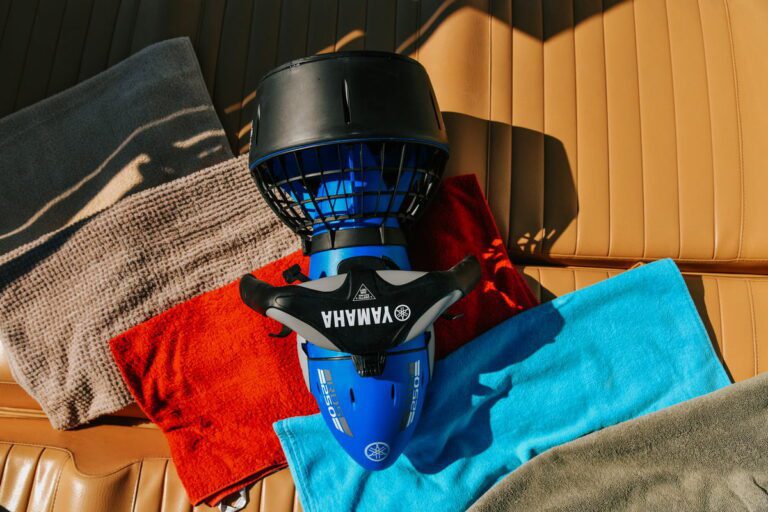
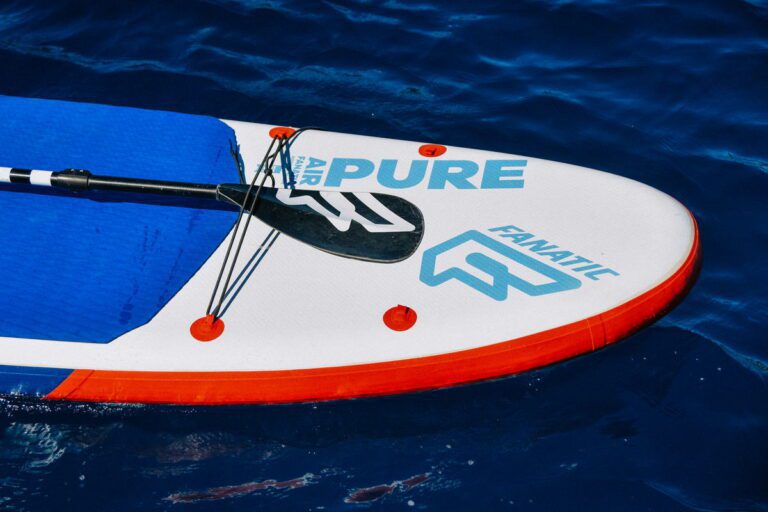
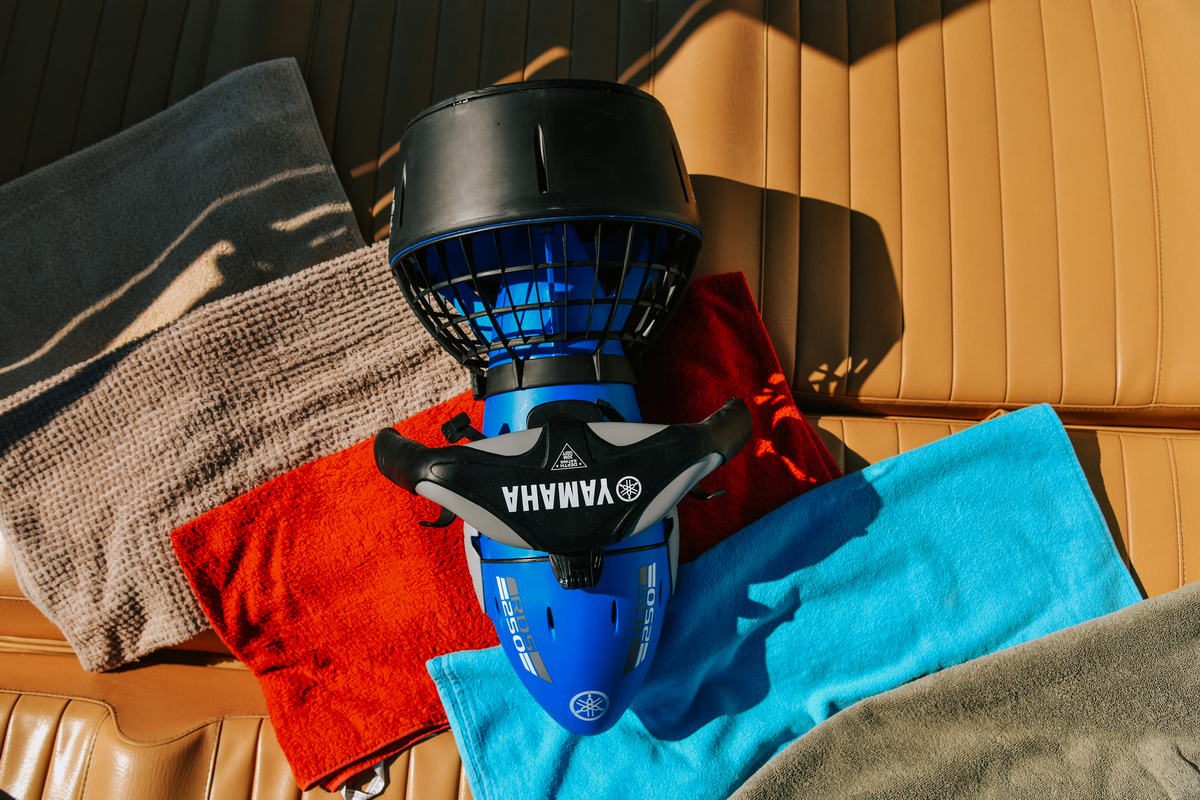
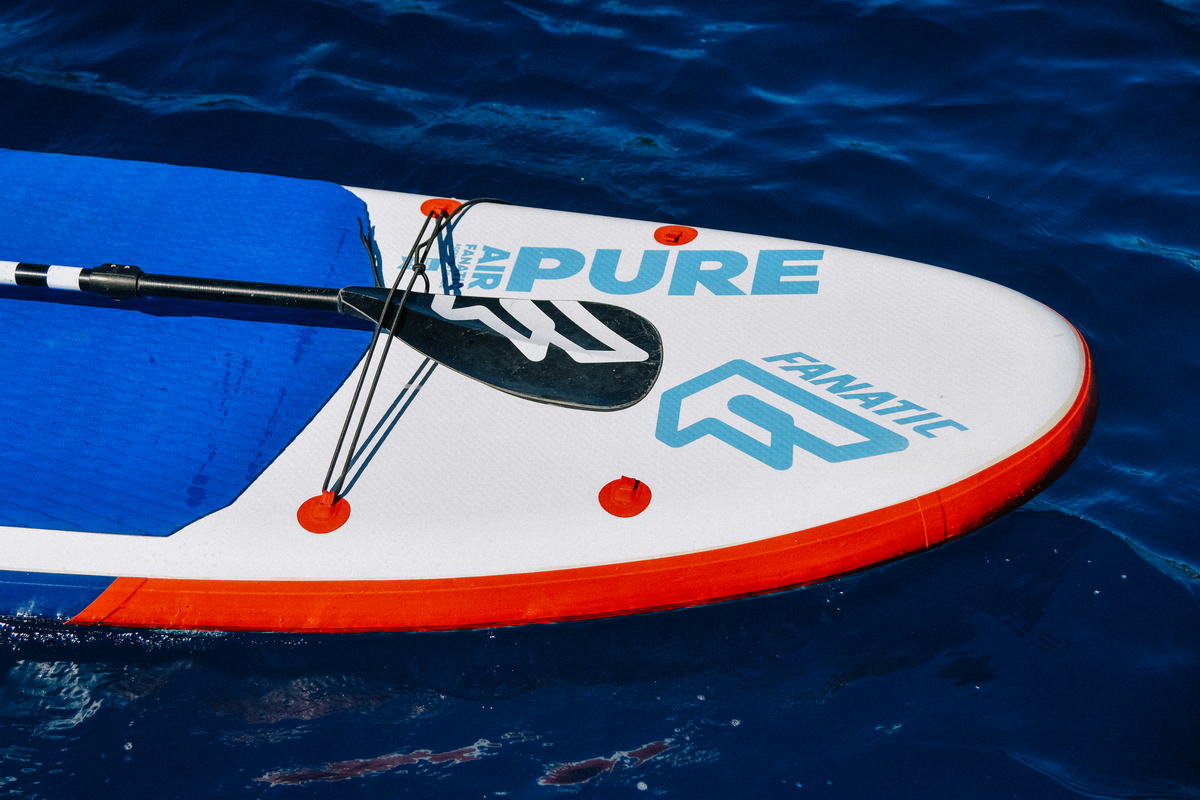
Fun pack sea scooter and sup padlleboard 60€
Towels 10€ per group
Location
Gallery

Booking form
FAQ
How long is the Red Rocks, Hvar and Pakleni islands tour?
A full day of about 10 hours, normally 08:00 to 18:00. The departure time can be adjusted for your group, and how the day is divided between the four stops is up to you.
Where exactly are the Red Rocks?
On the southern coast of Hvar island, about 8 kilometres east of Hvar Town, just beyond the coves of Dubovica and Pišćena in the direction of Sveta Nedjelja. In Croatian they are called Crvene stijene.
Why are the rocks red?
They are limestone laid down in near-vertical layers, and the reddish colour belongs to the stone rather than to the light. That is why the wall looks the same early in the morning as it does late in the afternoon, and why there is no best hour to arrive.
Can you reach the Red Rocks by land?
No. There is no road down to them and no marked path. The site is reached from the sea, by private boat or on an organised tour, which is why it stays quiet even in high season.
Do I have to jump, and how high is it?
Jumping is optional and plenty of guests skip it. The ledges are stepped, from a metre or two above the water up to a good deal higher, and the tallest part of the wall stands around 15 metres. Your skipper shows you which ledges are safe on the day.
Is there a cave or a beach at the Red Rocks?
There is a small cave on one side of the formation with a pebble beach at the back of it, and you can swim in and stand up. There is no beach along the cliff itself — the water is deep right up to the rock.
What is there at Dubovica?
A wide pebble bay on Hvar's south coast with a stone summer house of the Kasandrić family, a small church and a seasonal tavern. A steep footpath leads down from the road above; arriving by boat saves you the climb both ways.
How much time do we get in Hvar Town?
Usually around two hours, enough for lunch and a walk through the old town, or a brisk climb up to the Fortica fortress. It is your boat — tell the skipper in the morning if you want longer and he will take the time off another stop.
How many Pakleni islands are there?
Sixteen islands and islets. Sveti Klement is the largest, and the name comes from paklina, the pine resin once used to seal wooden boats, not from the word for hell.
What happens if the sea is too rough for the Red Rocks?
The south coast of Hvar is open to the Adriatic and a strong jugo makes the stop unsafe. Your skipper checks the forecast before departure and will either give the time to the Pakleni islands and Hvar Town, or offer to move the tour to another day.
Can we have lunch on the tour?
Yes. Hvar Town has the widest choice; there is also a tavern at Dubovica in season and beach restaurants on Palmižana in the Pakleni islands. Lunch is not included in the price.
Is this tour suitable for children?
Older children who swim well usually love it, and Dubovica and the Pakleni islands are easy water for everyone. The Red Rocks stop is not: it is deep, with no bottom to stand on. For very young children we recommend the Blue Lagoon or half-day tour instead.
Will I get wet?
On a calm day, only when you choose to. The crossing to Hvar's south coast is the longest of the day, so on a windy morning expect spray: bring a light jacket and keep phones in a dry bag.
How much does the tour cost, and what is included?
The price is per boat, not per person, for up to 12 guests, so larger groups pay less per head. A licensed skipper, fuel, bottled water, snorkelling gear, safety equipment and boat insurance are included. Current prices, with the online booking discount, are in the price table on this page.
Do I need to book in advance?
Yes, especially from June to September. Private boats are limited and the most popular dates go weeks ahead.