
Bol and Golden Horn private boat tour
Bol and Golden Horn Private Boat Tour from Split
This is the tour for people who want the Golden Horn and the town behind it. Eight hours from Split, one island, two stops: a long swim off Zlatni rat, then real time ashore in Bol — the Dominican monastery on the headland, the waterfront, lunch at a table that is not a beach bar.
Every other boat tour we run that reaches Zlatni rat treats Bol as a place you look at from the water on the way to somewhere else. This one turns that around. The beach gets its morning, the town gets its afternoon, and nobody spends the day counting minutes.
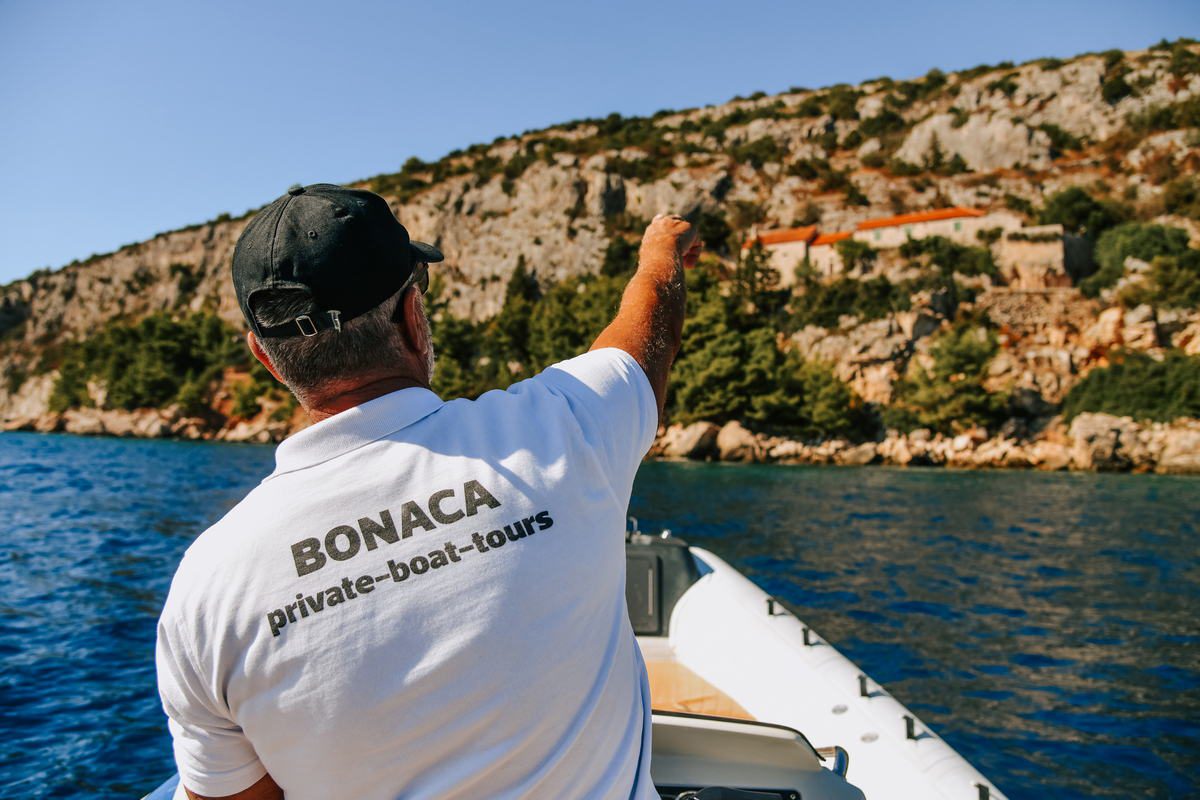
Because the boat is private, none of it runs on a shared clock. Your skipper anchors where you want, waits as long as you want, and moves you to a quieter corner when the busy one fills up.
Bol and Zlatni rat: one stop or two?
Two, and the distance between them is the whole point of this tour.
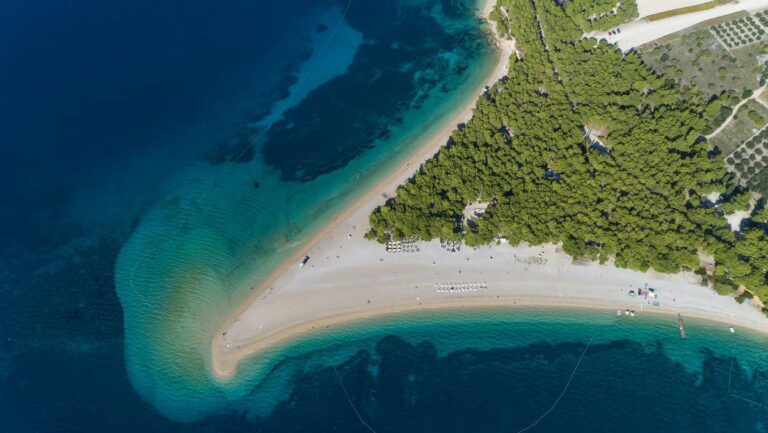
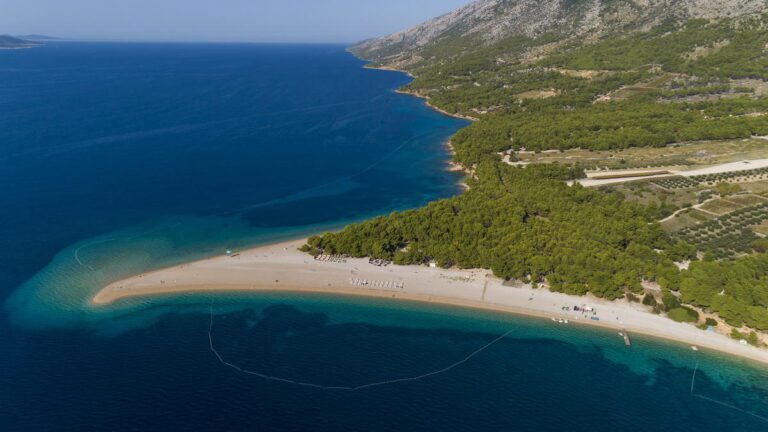
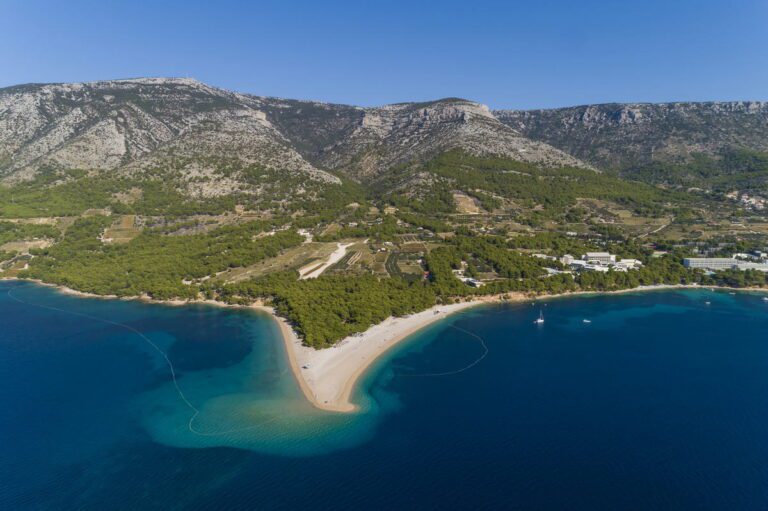
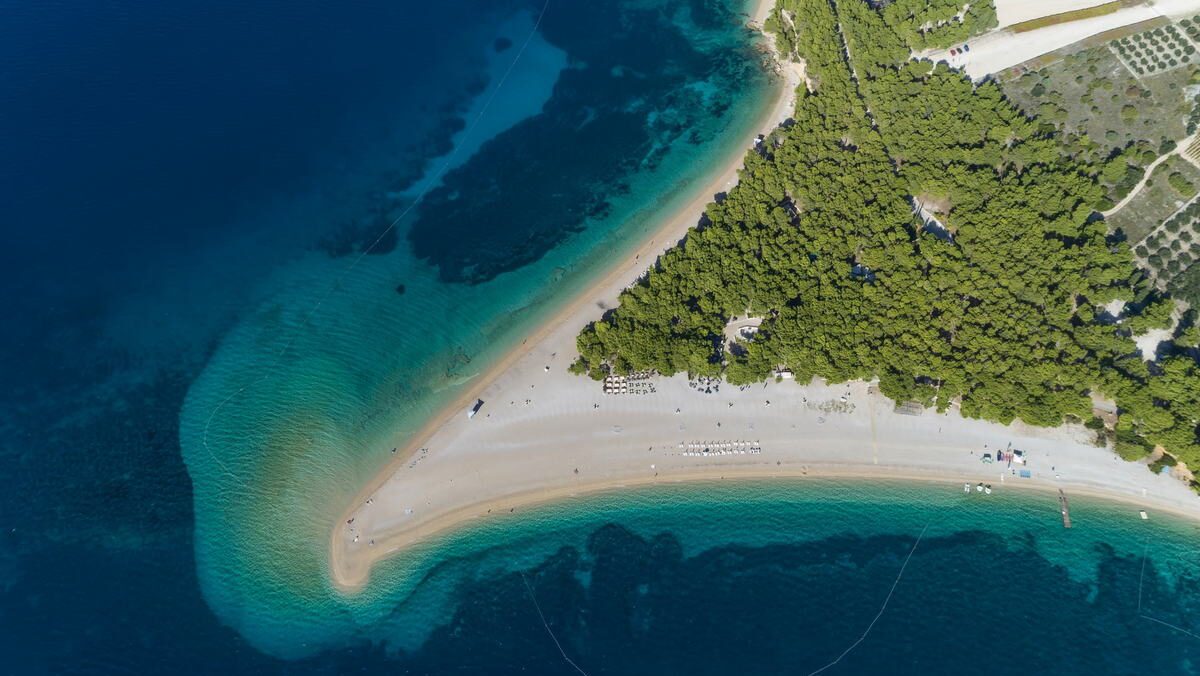
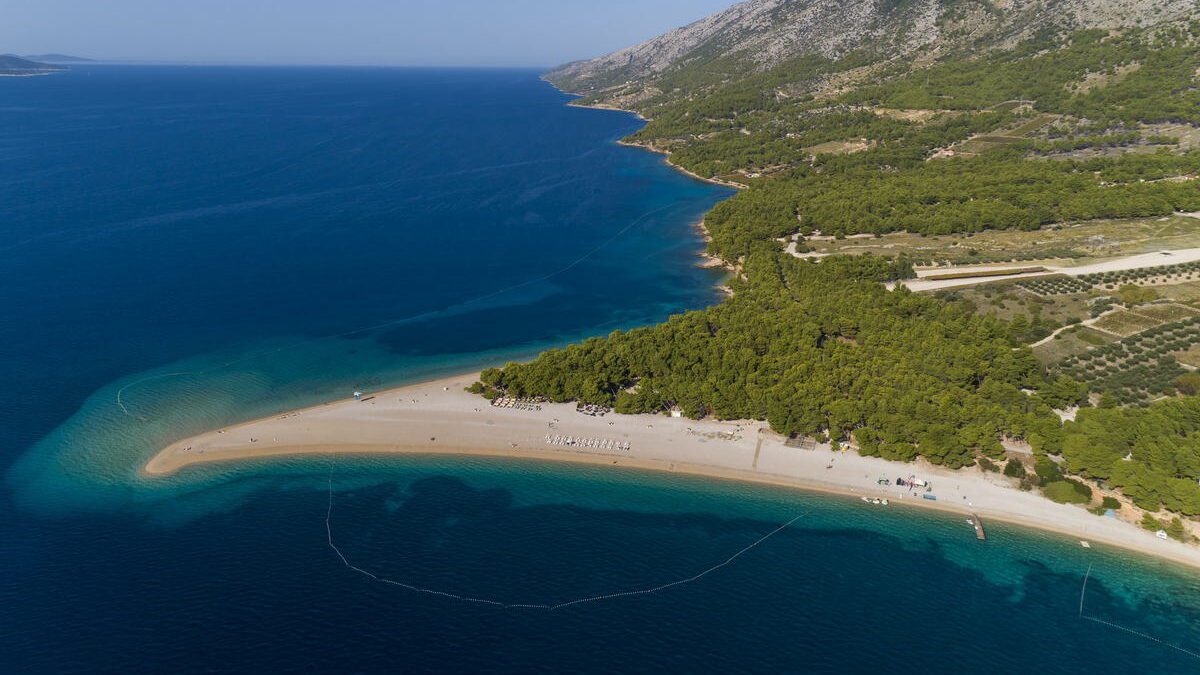
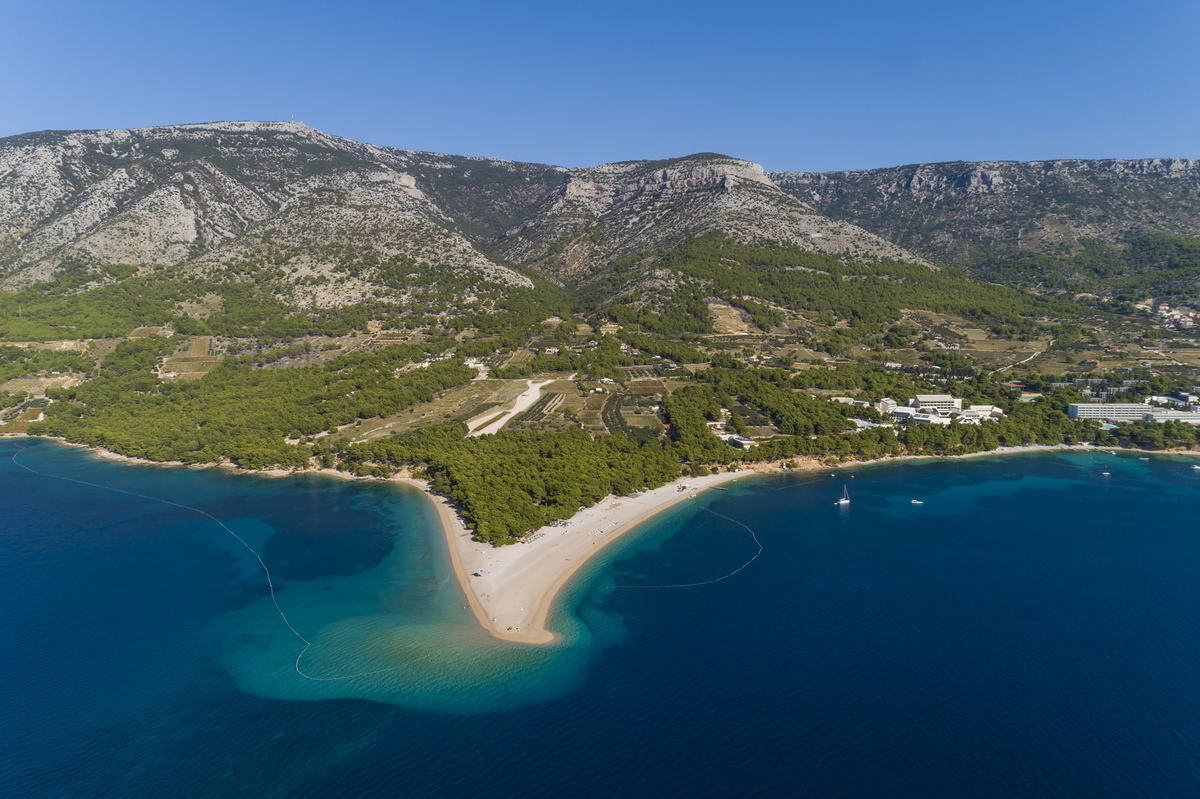
Zlatni rat is a spit of white pebbles that runs out from the southern shore of Brač into the Hvar channel, about two kilometres west of Bol. Bol is the town: a stone waterfront under a mountain wall, with a harbour, a monastery on its own headland, and a working year that does not stop in September.
Most visitors only get one of them. Arriving from Split by ferry and bus, you land in Supetar, cross the island by road and walk the last stretch along a crowded promenade — and by then the day is mostly gone. Arriving by boat, you anchor off the point, swim in from the water, and still tie up in the harbour with hours left. Not a better beach — the same beach, with the town attached.
The route
The tour lasts about 8 hours in total, normally 08:00 to 16:00. We do not publish a minute-by-minute schedule — on a private boat the time at each stop is yours to decide, and the sea decides the rest.
Departure from Split
You meet your skipper at the agreed pick-up point, get a short safety briefing and head south across the Brač channel.
The fast way to Bol rounds the western tip of Brač and runs east along the south coast, the empty side of the island: limestone cliff, scrub, no road and almost no houses. Roughly halfway along it you pass the mouth of the Blaca canyon. A long way up that canyon sits the Blaca hermitage, founded by Glagolitic priests who fled the mainland and lived in until its last occupant died in 1963. Reaching it means landing and a steep walk uphill, so it is not part of this tour — but it is worth knowing what that gap in the cliffs is.
Above the whole run, the ridge climbs to Vidova gora, the highest point on any Adriatic island.
Zlatni rat, the Golden Horn
From the sea you finally understand the shape that every poster of Croatia uses.
Zlatni rat is not sand and it is not permanent. Pebbles carried along the coast pile up around a submerged reef, and the tip swings from one side to the other with the wind and the currents; a serious storm can rearrange it within hours. It is not even symmetrical — a survey in 2015 measured 377 metres on the eastern side and 479 metres on the western side. Photographs of the beach taken a year apart rarely match.
It has been protected as a significant landscape since 1965, which is why nothing has ever been built out on the spit itself. Behind the beach is a Mediterranean pine grove — the only real shade in July — and inside it the remains of a Roman villa rustica, its stone cistern still in place. People have been coming to this exact strip of coast for the same reason for a very long time.
The other thing you will notice is the sails. The afternoon maestral funnels down the Hvar channel and hits the point reliably enough that Bol has hosted PWA World Tour windsurfing events, and the schools run from the beach all season.
We anchor off the spit and you swim in — no walk from town, no queue, and because it is stone rather than sand the water stays clear even with people in it.
Bol town
Then you tie up in the harbour, and this is where the day stops looking like every other Brač trip.
The Dominican monastery of St Mary of Mercy stands on the Glavica peninsula at the eastern edge of town, ten minutes on foot from the riva. The Dominicans were granted the land in 1475 and the charter survives; the church was finished in 1566 and took its present form in 1633. Its museum reopened after restoration in 2021 and holds prehistoric finds, a coin collection, underwater archaeology, liturgical vestments and an archive of incunabula and fifteenth-century documents. The altarpiece, a Madonna with Saints, came from the workshop of Jacopo Tintoretto. For a town of this size, that is an unusual thing to have on the end of the promenade.
Back on the waterfront, the long stone building still carries its original inscription: Prva dalmatinska vinarska zadruga, osnovana 1903. — the first Dalmatian wine cooperative. It is a working winery again, and you can taste in it. Brač wine is worth the stop: Plavac Mali off the steep south-facing slopes near Murvica, and white Pošip and Vugava from higher, stonier ground inland.
The rest is simply a town that people live in. Fishing boats between the yachts, konobas a street back from the water where lunch is cheaper and better than on the beach, a produce shop, an ice cream queue. It is noticeably calmer than Hvar in August, and it is the reason guests book this tour instead of a beach-only one.
Two hours here is comfortable. Three is better if you want the monastery and a proper lunch.
One more bay before the crossing
Eight hours leaves room for one more swim, and the coast on either side of Bol has small pebble coves that no road reaches. Where you stop depends on the wind and on how long you stayed in town — tell your skipper in the morning whether you would rather have the extra bay or the extra hour ashore. On a private boat that is a real choice, not a formality.
Return to Split
The run back across the Brač channel takes about an hour in calm conditions, with the south coast cliffs going gold behind you and the mainland mountains standing up ahead of the city.
This tour, the half day, or the Hvar version?
Zlatni rat appears on three of our tours plus its own destination page, so it is worth saying plainly which one does what.
This tour — the one with the town
Eight hours, Brač only, and the only place on our schedule where you get an afternoon in Bol itself — monastery, museum, winery, lunch away from the beach. Choose it if the Golden Horn is the reason you are going but you do not want a day that is only swimming.
The half-day tour to the Golden Horn
The beach on its own. Five hours, morning or afternoon departure, cheaper, and back in Split in time for dinner. It is the right call with small children, on a short city break, or as a second outing later in the week.
The Golden Horn, Hvar and Pakleni islands tour
Trades Bol for two more islands. Ten hours, three destinations, the classic first-timer's day out — but Bol shrinks to a coffee, because the afternoon belongs to Hvar and the Pakleni channel.
The tour around Brač
Circles the whole island. Ten hours, six stops, the navy tunnel at Smrka and the stone town of Pučišća included — Zlatni rat is one stop among many and there is no time ashore in Bol at all.
The Golden Horn destination page covers the beach itself, with every tour that reaches it in one list.
Short version: beach only, take the half day. Beach plus town, take this one. Beach plus other islands, take the Hvar version.
Best time of year for this tour
- May and early June – comfortable on deck, sea around 20–22 °C, the spit almost empty and Bol going about its own business. The best month for photographs of the beach.
- July and August – warmest water and the longest days. Zlatni rat is busy from mid-morning, but arriving by boat skips the walk, and the town thins out in the early afternoon while everyone else is on the pebbles.
- September – the sea is at its warmest of the whole year and the crowds have gone. For many guests the best month of the season, and the easiest one for a table in Bol.
- October – still pleasant on calm days, though the weather turns less predictable and some places in town start closing.
The route stays inside the Brač and Split channels rather than crossing open sea, so it holds up in wind better than our tours to Vis and Biševo. A strong jugo from the south-east is the one that matters, because it hits the south coast of Brač head-on; we watch the forecast and will contact you in advance rather than run a bad day.
Who is this tour for?
Couples
A long swim, a slow lunch and a town worth walking around afterwards.
First-time visitors with only one island day
The photograph everyone knows, plus somewhere real to spend the afternoon.
Families
Short crossings, snorkelling gear on board, and shade in the pine grove behind the beach.
Anyone who found Hvar too busy
Bol in August is a different volume entirely.
If you only want the beach and would rather be back in Split by mid-afternoon, the half-day tour does that for less money. And if you want distance and empty places rather than famous ones, the Vis and Blue Cave tour is the better fit — a longer day, far fewer people.
What to bring
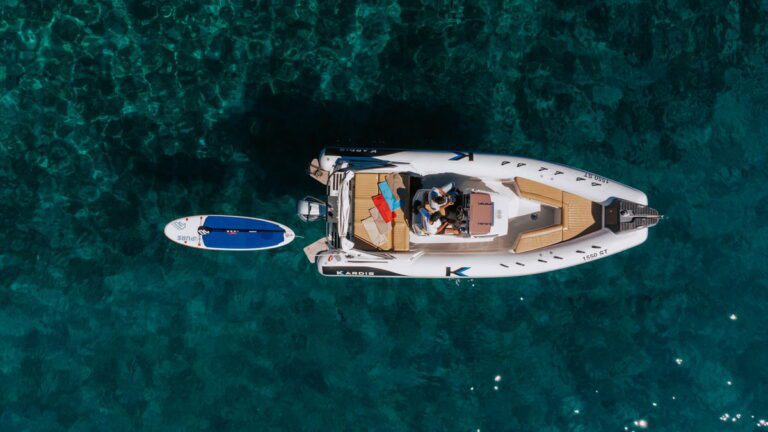
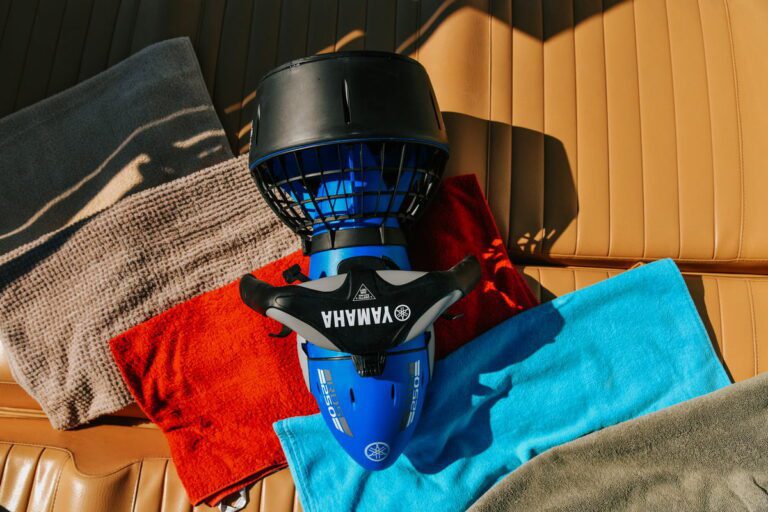
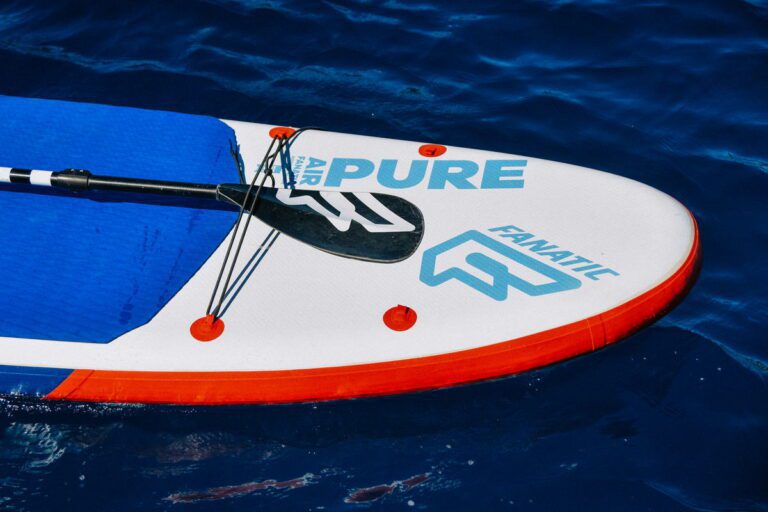
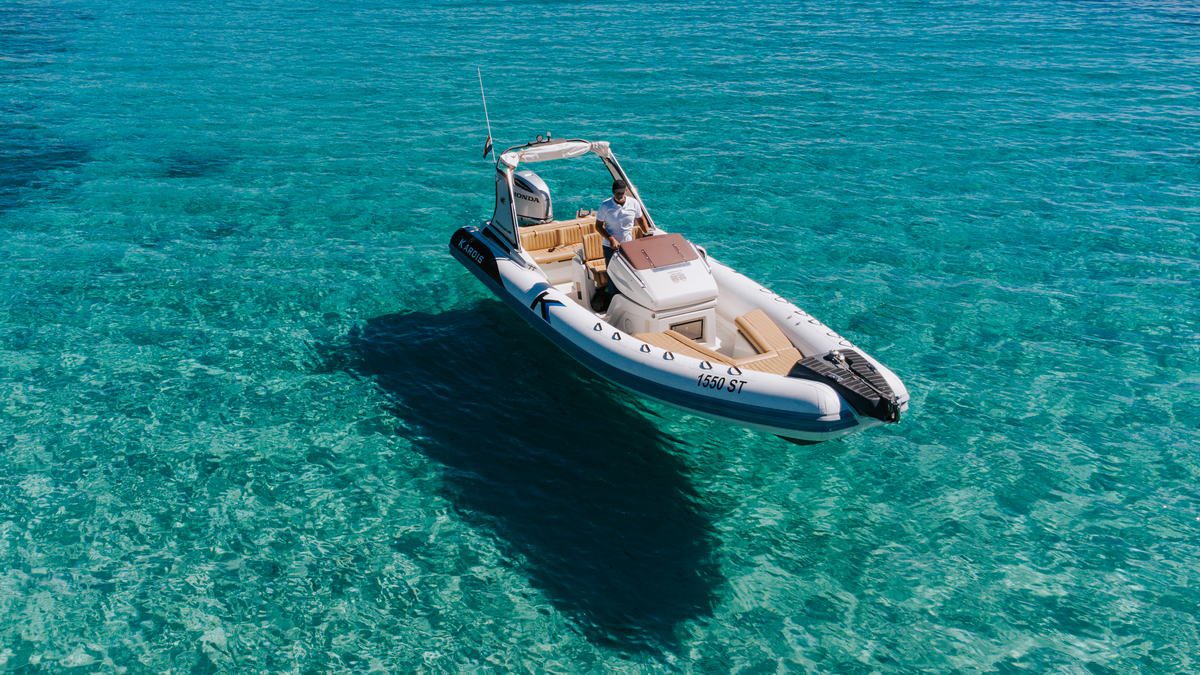
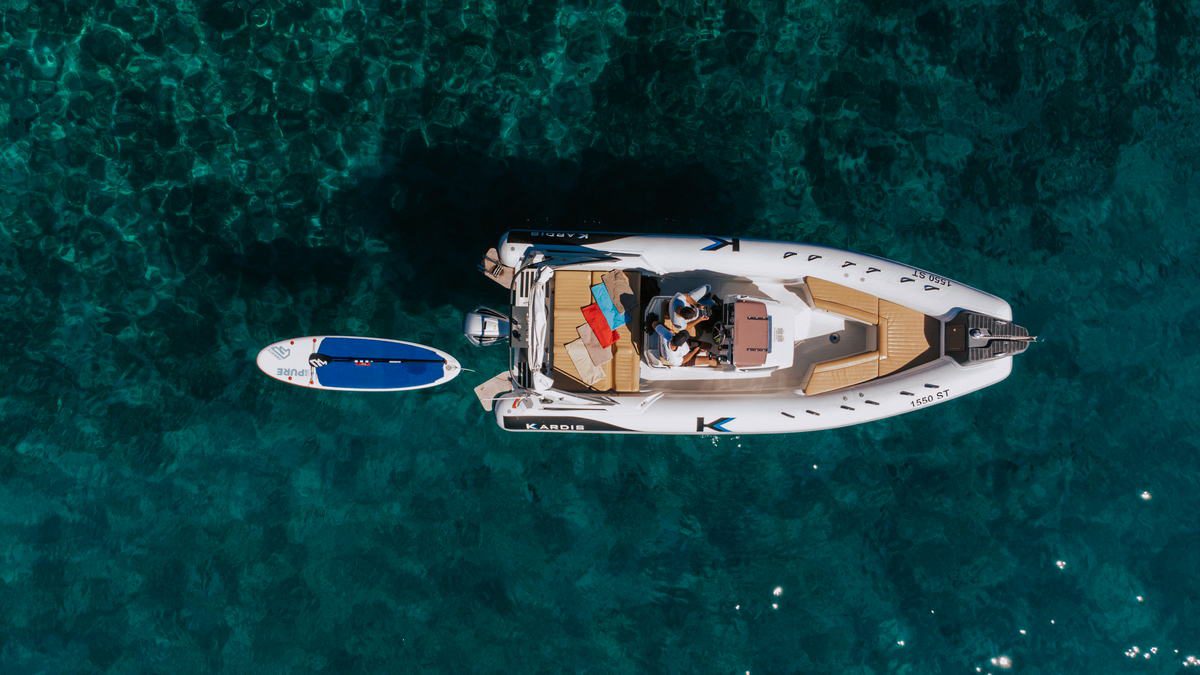
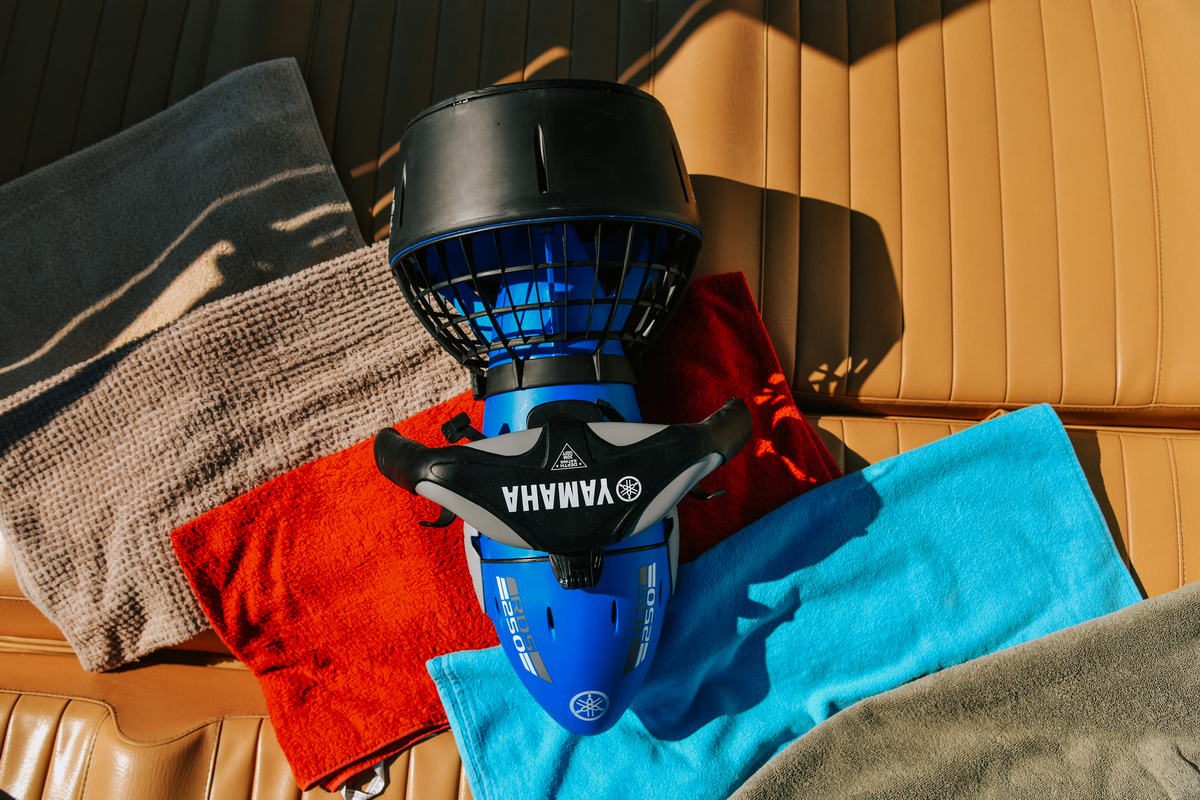
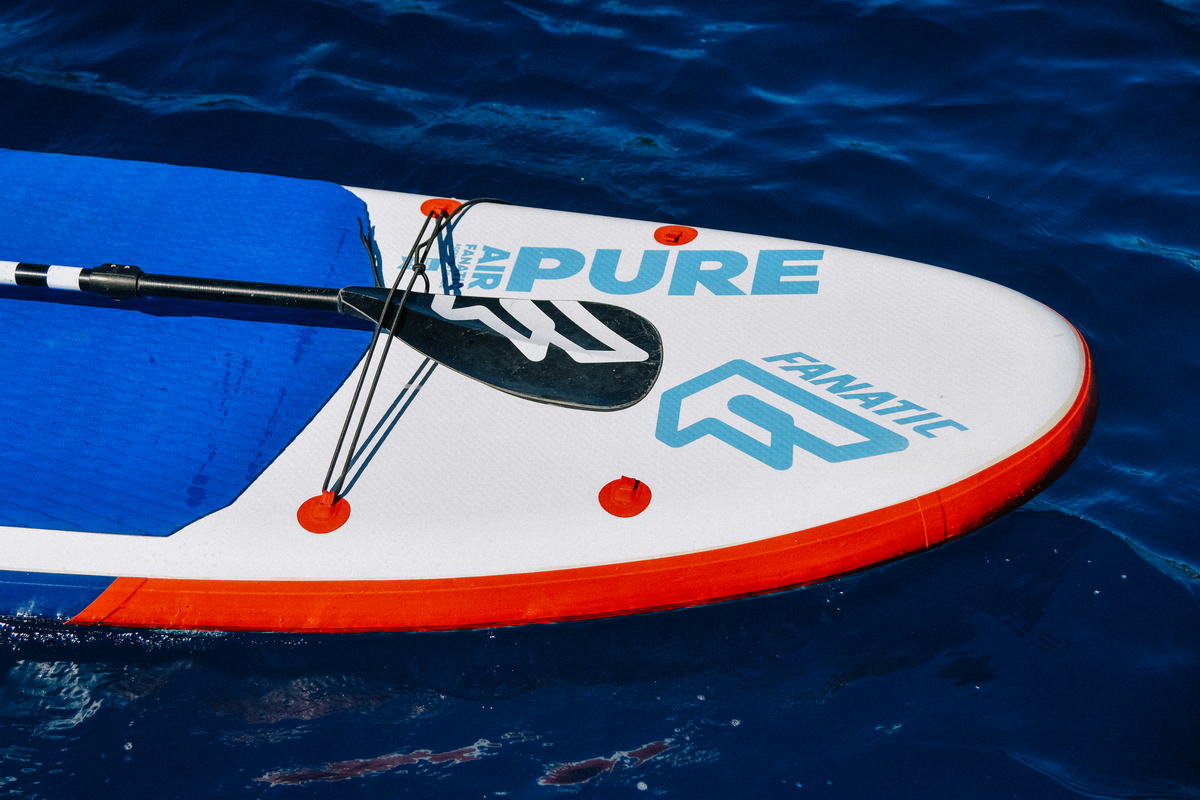
Swimwear, a towel, sunscreen, sunglasses, a hat, a light jacket for the crossings, water shoes if you dislike pebbles underfoot, a change of clothes for the town, and cash or card for lunch and the monastery museum. Water, snorkelling gear and safety equipment are already on board. Want to add a sea scooter and SUP to your day? These can be arranged as an extra.
Still deciding which islands to fit into your week? Our guide to island hopping from Split sets out what each one is good for.
No extra cost for pick-up at this location
Extras
Boat pickup 60€
Fun pack sea scooter and sup padlleboard 60€
Towels 10€ per group
Location
Gallery

Booking form
FAQ
How long is the Bol and Golden Horn tour?
Eight hours. The departure time is agreed with you when you book. The departure time can be adjusted, and how you split the day between the beach and the town is up to you.
Are Bol and the Golden Horn the same place?
No. Zlatni rat is the pebble spit; Bol is the town about two kilometres east of it. Most day trips give you one or the other. This tour gives you both, because you arrive by sea.
How much time do we get in Bol town?
Usually two to three hours — enough for the monastery on the Glavica headland, a walk along the riva and a proper lunch. Tell your skipper in the morning if you want longer.
Do we go ashore at Zlatni rat, or swim from the boat?
Your skipper anchors off the spit and you swim in. That avoids the walk from town and the search for a free spot on the busiest part of the beach.
Is Zlatni rat sand or pebble?
Pebble, all the way in, which is why the water stays clear even on a crowded day. Water shoes help if you are not used to walking on stones.
Why does the beach keep changing shape?
The tip is loose pebble piled around a submerged reef, so wind and currents move it. It is not even symmetrical: a 2015 survey measured 377 m on the eastern side and 479 m on the western.
Can we visit the Dominican monastery and its museum?
Yes — ten minutes on foot from the harbour, on the Glavica peninsula. The Dominicans were granted the land in 1475, the church was completed in 1566, and the museum reopened after restoration in 2021. Small entrance fee, paid on site.
Should we book this tour or the half day to the Golden Horn?
Take the half day if you only want the beach, are travelling with small children, or are short on days. Take this one if you want the swim and an afternoon in Bol.
Should we book this tour or the Golden Horn, Hvar and Pakleni islands tour?
Neither is better; they suit different visits. That tour adds Hvar and the Pakleni islands but reduces Bol to a coffee stop. This one stays on Brač and gives the town the afternoon.
Can we have lunch on the tour?
Yes, and Bol is the best place on any of our Brač routes to do it — beach restaurants near Zlatni rat, konobas a street back from the harbour. Lunch is not included in the price.
Can we try windsurfing at Zlatni rat?
The schools on the beach rent boards and give lessons, and the afternoon maestral is what draws them here — Bol has hosted PWA World Tour racing. Book directly with the school and allow time for it.
Is the tour suitable for children?
Yes. The crossings are short and inside the channels, the pebbles stay clean, there is shade in the pine grove behind the beach, and Bol has everything a family needs within a few streets.
Will I get wet, and will I get seasick?
On a calm day, barely. On a windy day expect spray during the crossings, so bring a light jacket and keep phones in a dry bag. This is one of our more sheltered routes.
How much does the tour cost, and is the skipper included?
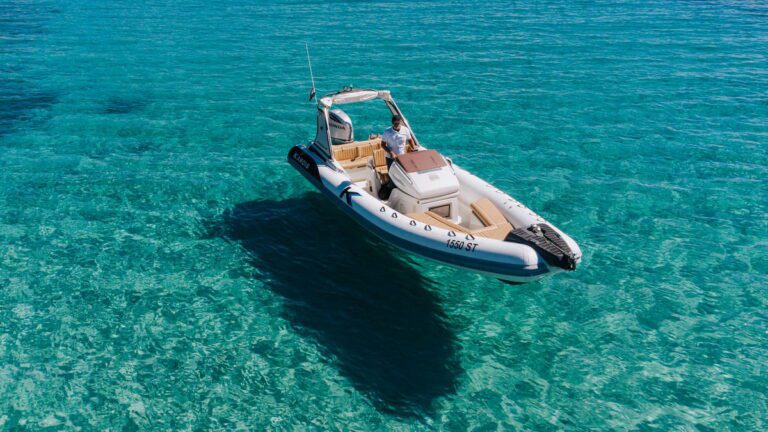
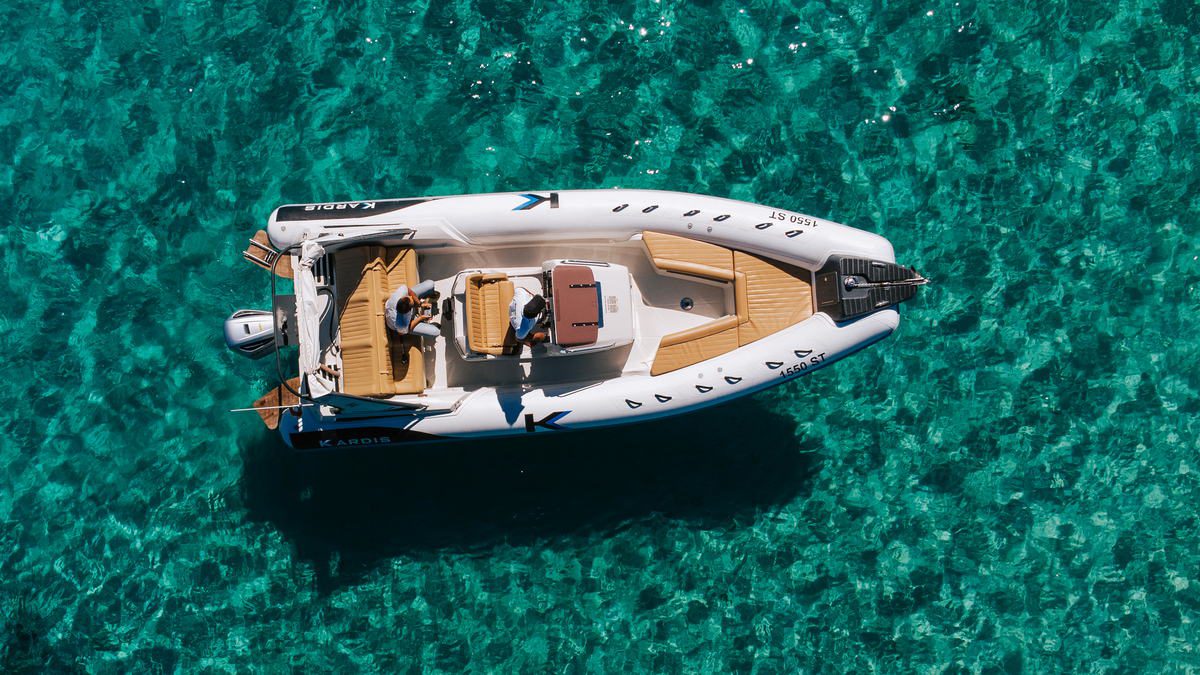
The price is per boat, not per person, for up to 12 guests, so larger groups pay less per head. Current prices, including the online booking discount, are in the price table on this page. A licensed skipper, fuel, bottled water, snorkelling equipment, safety equipment and boat insurance are included.
Where does the tour start, and do I need to book in advance?
From the agreed pick-up point in Split, confirmed after booking; Kaštela, Trogir or Podstrana are possible if closer to you. Book ahead from June to September — private boats are limited.