
Golden Horn, Hvar and Pakleni islands private boat tour
Golden Horn, Hvar and Pakleni Islands Private Boat Tour from Split
The most photographed beach in Croatia, the most cosmopolitan town on the islands, and a chain of quiet wooded coves to finish the day — all from a boat that belongs only to your group. This private tour from Split takes in Zlatni Rat on Brač, Hvar Town, and the Pakleni islands, with a licensed skipper who sets the pace with you.
If you have one day and want the postcard version of Dalmatia, this is the route. It also happens to be the easiest of our full-day tours to combine swimming with sightseeing: two long stops in the water, one proper town, and short crossings between them.
Because the boat is private, none of it runs on a shared clock. Stay in the sea as long as you like, take lunch where you feel like it, and let your skipper move you to a quieter bay when the busy ones fill up.
What exactly is the Golden Horn?
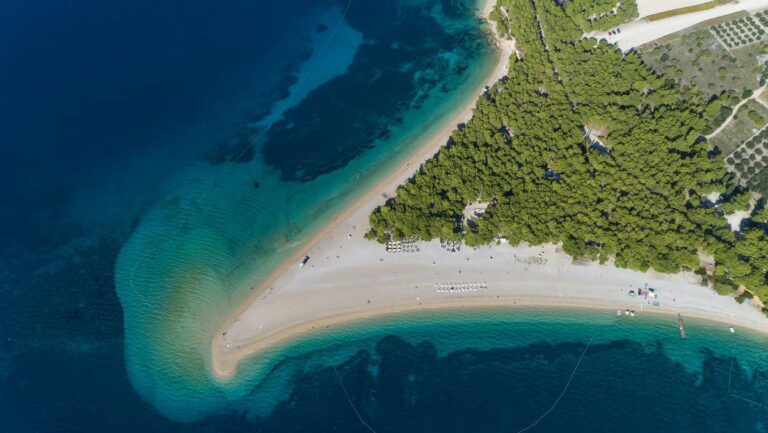
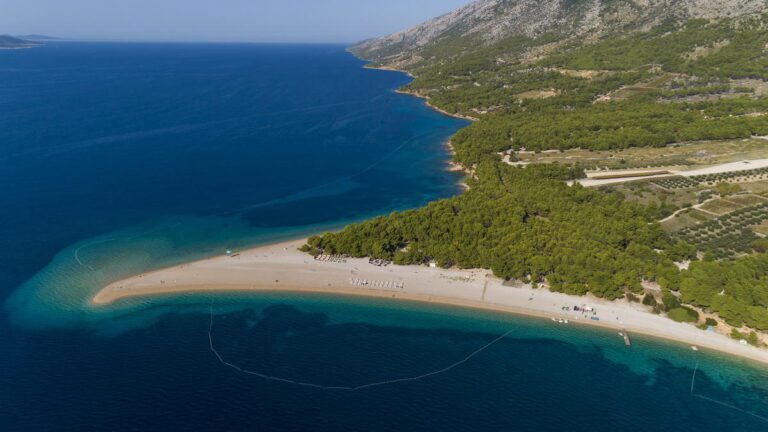
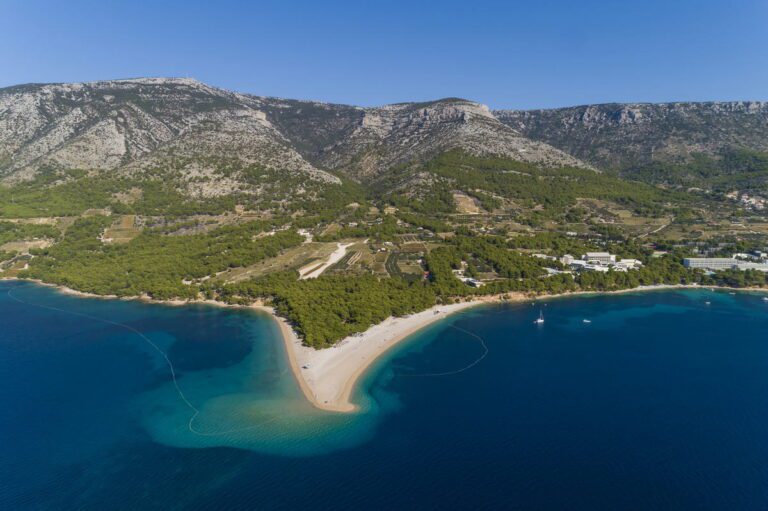
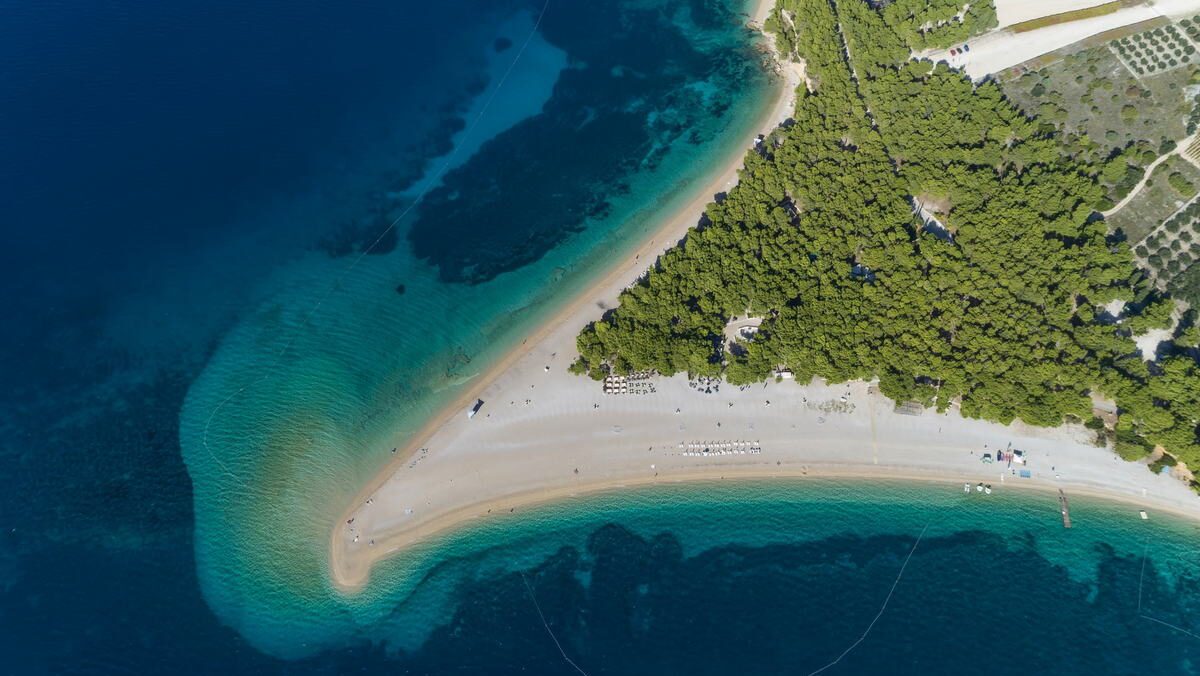
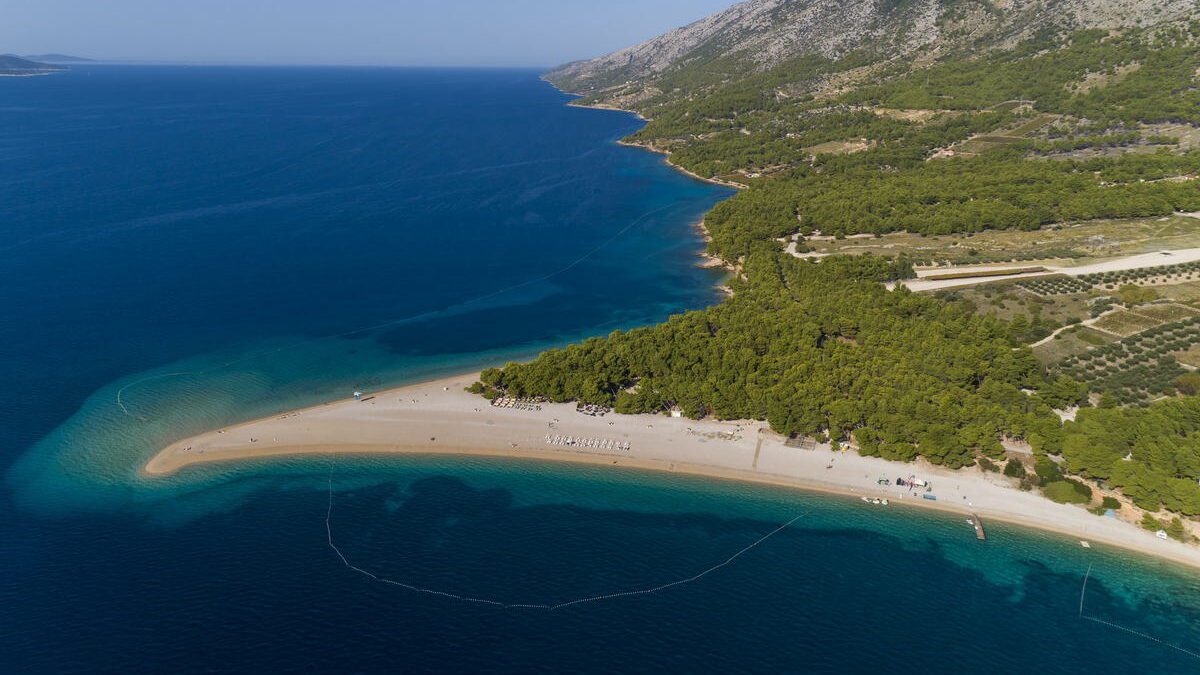
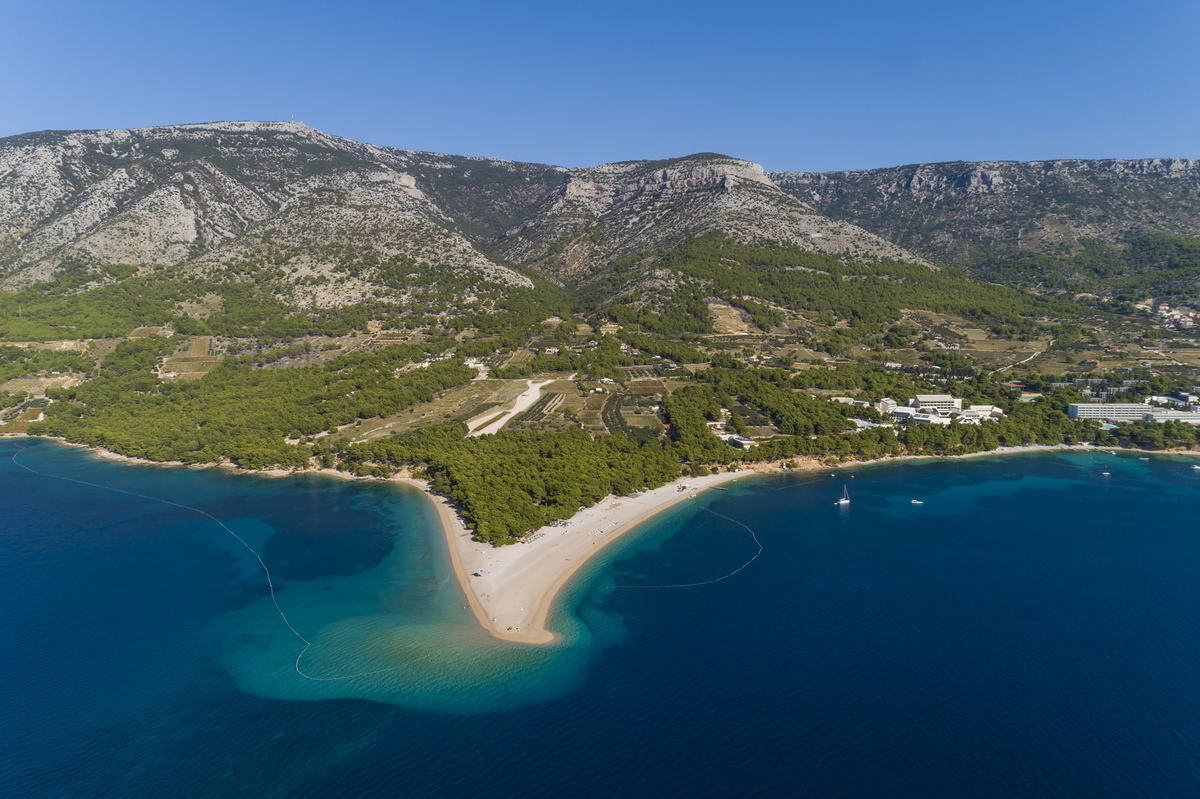
Zlatni Rat — Golden Horn in English — is a spit of white pebbles that runs out from the southern shore of Brač into the Hvar channel, about two kilometres west of the town of Bol.
It is the beach on almost every poster of Croatia, and the reason is its shape: a long tapering tongue of stone with sea on both sides and a pine grove behind it. It has been protected as a significant landscape since 1965, which is the formal way of saying there is nothing else quite like it on this coast.
Arriving by boat also solves the main problem with Zlatni Rat. From Bol it is a twenty-minute walk or a shuttle ride along a crowded promenade; from the water you simply stop where you want and swim in. If a full day feels like more than you need, you can also book half a day at the Golden Horn.
The route
The tour lasts about 10 hours in total, normally 08:00 to 18:00. We do not publish a minute-by-minute schedule — on a private boat the time at each stop is yours to decide, and the sea decides the rest.
Departure from Split
You meet your skipper at the agreed pick-up point, get a short safety briefing and head south across the Brač channel, then along the island's southern coast. The mountain wall above you on that leg rises to Vidova gora, the highest point on any Adriatic island.
Zlatni Rat, the Golden Horn
The spit itself is around 400 to 500 metres long, depending on which side you measure and what the sea has been doing lately.
You will notice two things straight away. The two sides of the spit are never the same on the same day — one flank takes the wind and the chop while the other stays flat calm, and which is which flips as the wind turns. And it is all pebble, no sand, so the water stays clear even with people in it.
Behind the beach is a Mediterranean pine grove, welcome shade in July, and inside it the remains of a Roman villa rustica with its stone water cistern still in place. People have been coming here for the same reason for a very long time.
This is also one of the best-known windsurfing spots in Europe, thanks to the afternoon wind that funnels down the Hvar channel. If you see a line of sails going past in the early afternoon, that is why.
Bol
Bol is the oldest coastal settlement on Brač, and a short walk from the beach.
Its waterfront is a working one: stone houses down to the water, fishing boats between the yachts, konobas that have been in the same family for generations. It is the natural place for a coffee or an early lunch, and a much calmer town than Hvar in high season.
Brač has a long winemaking tradition, so a glass of local Plavac Mali with lunch is not a tourist gimmick here.
Hvar Town
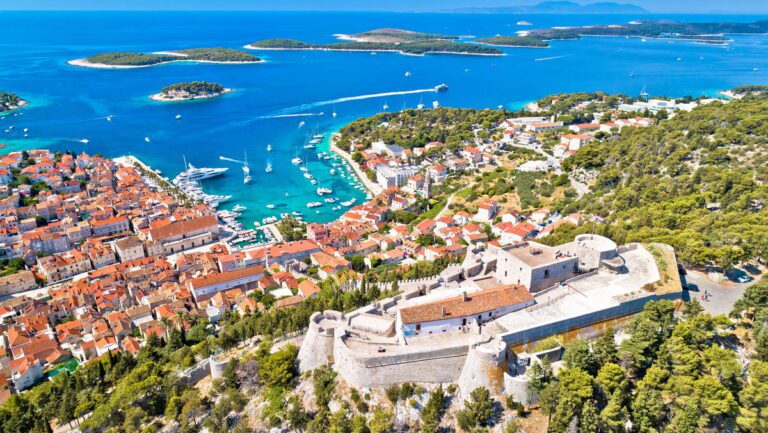
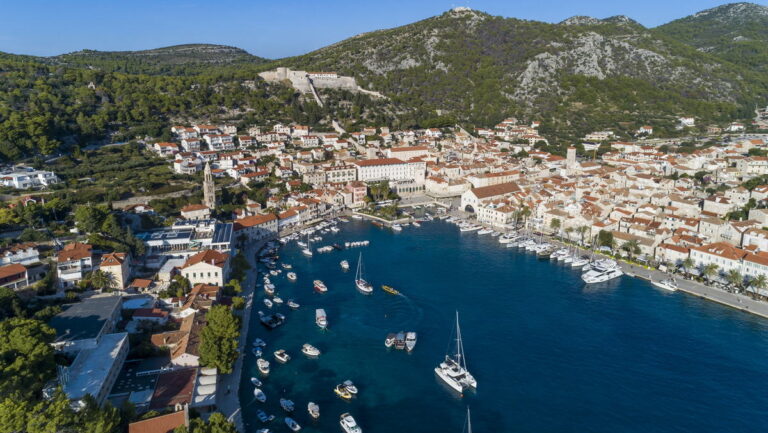
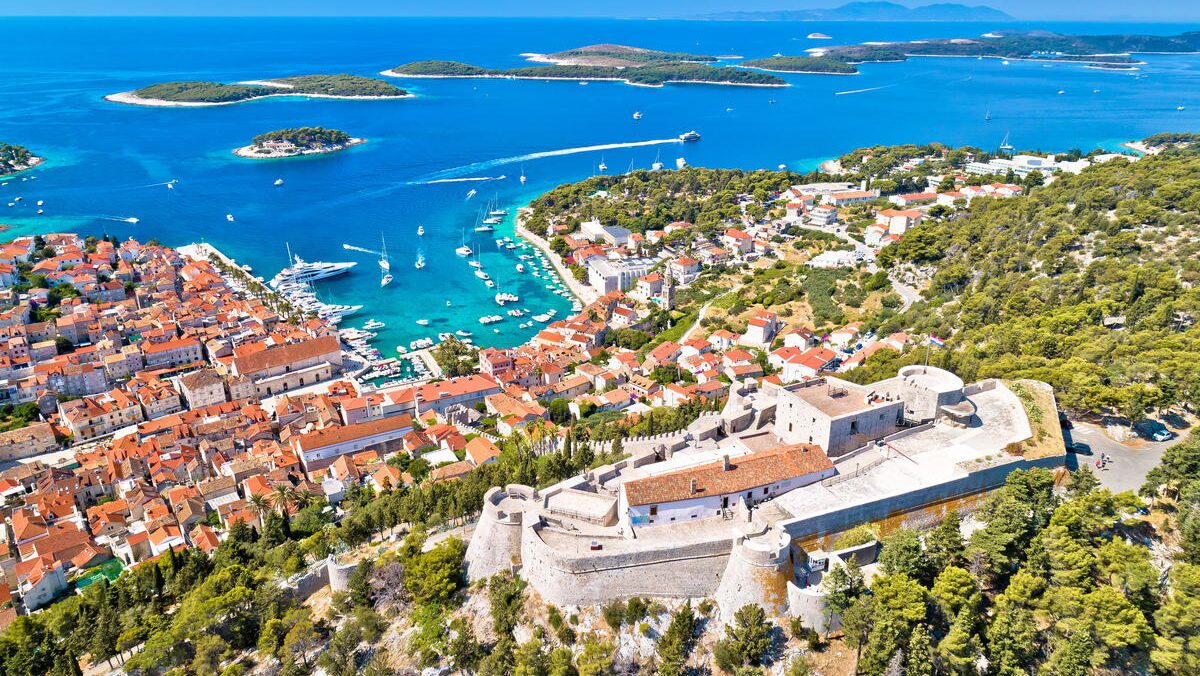
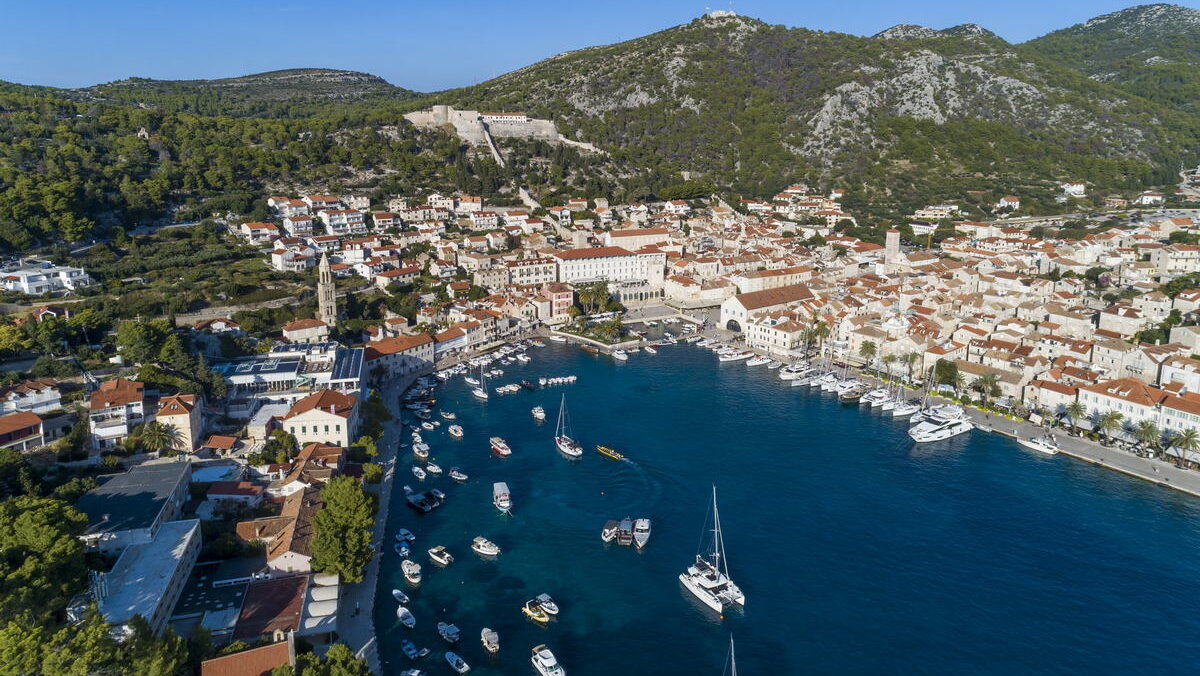
Across the channel lies Hvar, the island with more than 2,700 hours of sunshine a year, and the town that has been the smart address in this part of the Adriatic since the Venetians.
You dock in the harbour and have free time. Within ten minutes on foot:
- St Stephen's Square, at around 4,500 m² the largest historic square in Dalmatia, built on a bay that was filled in over centuries, with a public well from 1520
- St Stephen's Cathedral and its Renaissance bell tower closing the eastern end of the square
- the Arsenal, home to one of the oldest municipal theatres in Europe, founded in 1612
- the Fortica (Španjola) fortress above the roofs, with the view over the town and the Pakleni channel
This is the longest stop of the day and the best one for a proper meal. If you'd rather visit independently, see our guide on how to get from Split to Hvar.
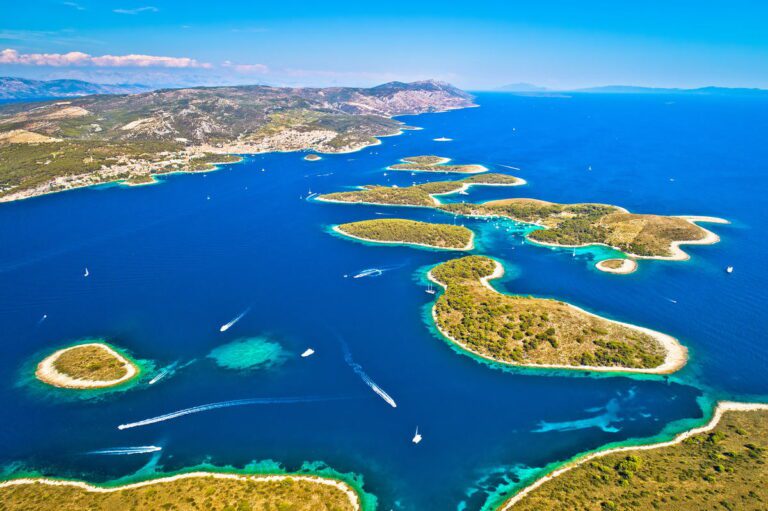
Sveti Klement, Pakleni islands
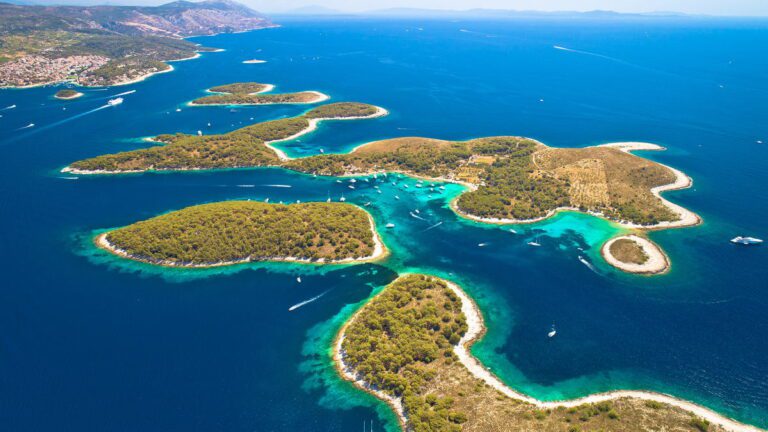
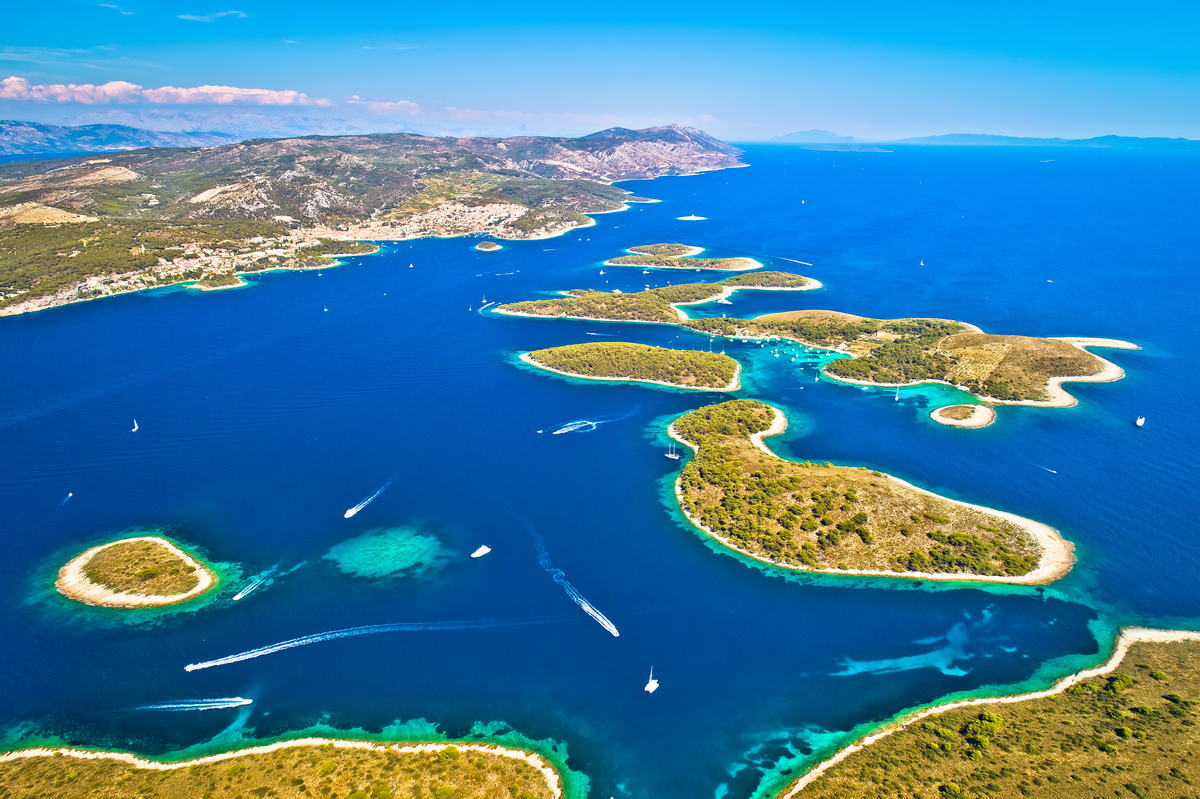
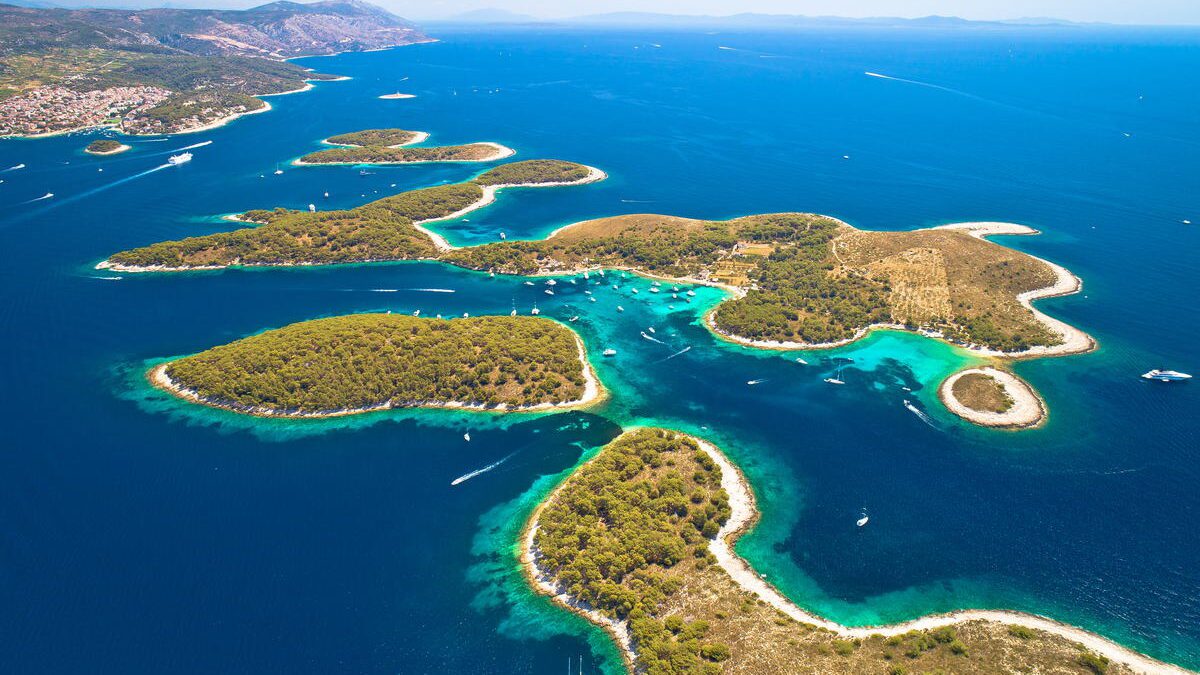
Minutes from Hvar harbour lies the chain of islets that shelters the town.
The name misleads English speakers: it comes from paklina, the pine resin once harvested here to seal wooden boats, not from the Croatian word for hell. There are sixteen islands and islets in the group, and Sveti Klement is the largest.
Where you stop depends on the wind and the time left. Palmižana has a botanical garden, a marina and beach restaurants; Ždrilca and Mlini are sheltered channels with calm water; and there is usually an empty cove for the last swim of the day. For more inspiration, see things to see on the Pakleni islands.
Return to Split
The run back across the Hvar and Brač channels takes about an hour in calm conditions, with late light on the Brač cliffs and the mainland mountains standing up behind the city.
Why the beach keeps changing shape
Zlatni Rat is not a fixed object. The tip swings from one side to the other depending on what the wind and the currents have been doing, and in a serious storm it can move within hours.
Through the summer the afternoon maestral, a west wind that comes up almost daily, tends to hold the point straight or push it east. A strong jugo from the south-east swings it the other way. Autumn and spring do the most rearranging, which is why photographs of the beach taken a year apart rarely look the same.
Nothing about this affects your swim. It does mean the beach you see is the one the sea made that particular week — which is a better souvenir than a beach that never changes.
Best time of year for this tour
- May and early June – comfortable air, sea around 20–22 °C, Zlatni Rat almost empty and Hvar still calm. The best month for photographs.
- July and August – warmest sea and longest days, but Zlatni Rat and Hvar are both at their busiest. An early start matters.
- September – the sea is at its warmest of the whole year and the crowds have thinned. For many guests the best month of the season.
- October – still pleasant on calm days, though the weather becomes less predictable.
The route runs through the Brač, Split and Hvar channels rather than open sea, so it holds up better in wind than the outer-island tours to Vis and Biševo. It is not weatherproof — a strong jugo makes both channels uncomfortable — but the margin is wider.
Who is this tour for?
First-time visitors
The three places most people have already seen in photographs, in one day.
Couples
Long swims, a good lunch, and the option to skip whatever looks crowded.
Families
Short crossings, snorkelling gear on board, and pebble beaches that stay clean.
Photographers
Zlatni Rat from the water, Hvar from the Fortica side, and the Pakleni channel in late light.
If you would rather see wilder, emptier places than famous ones, the Vis and Blue Cave tour is the better fit — the same length of day, far fewer people.
What to bring
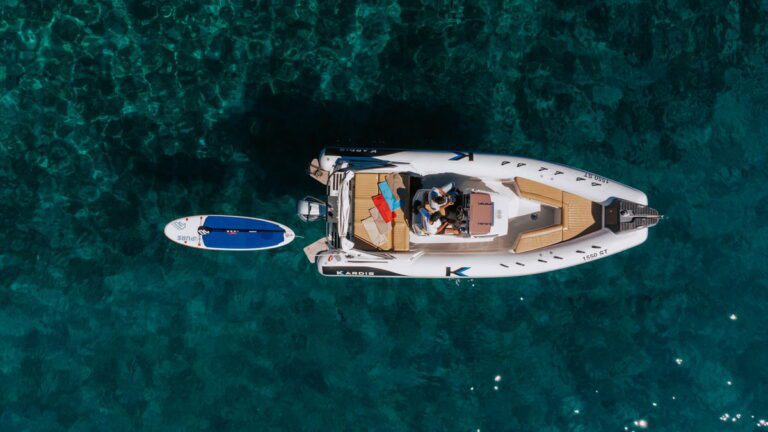
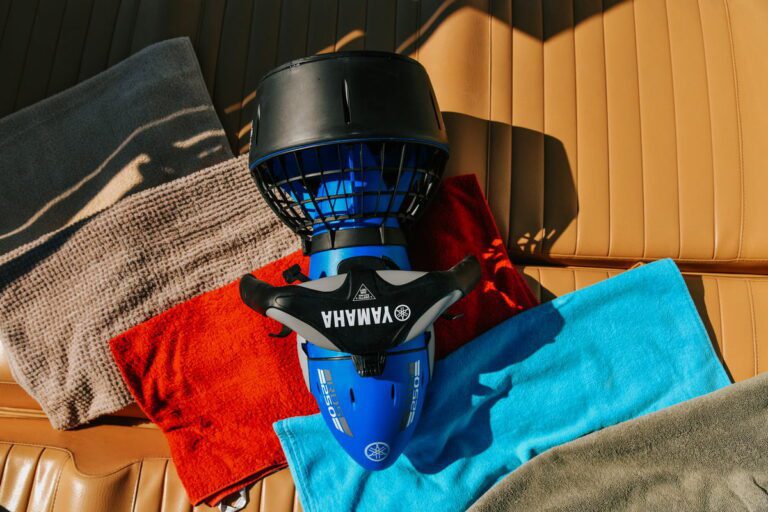
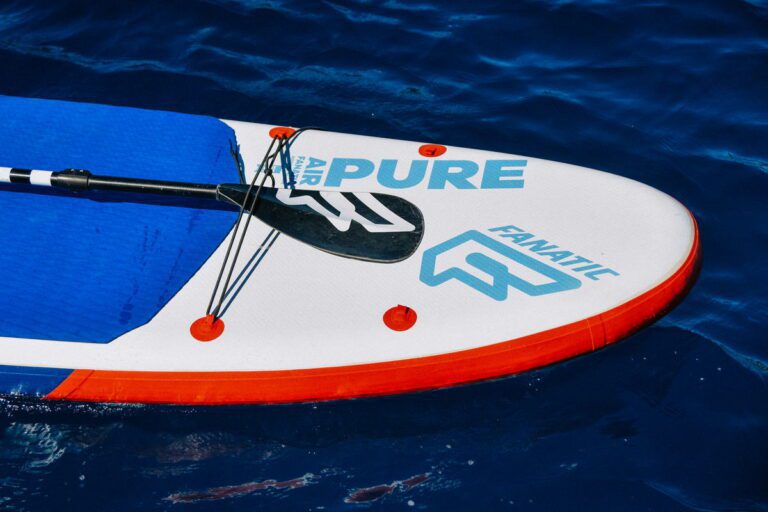
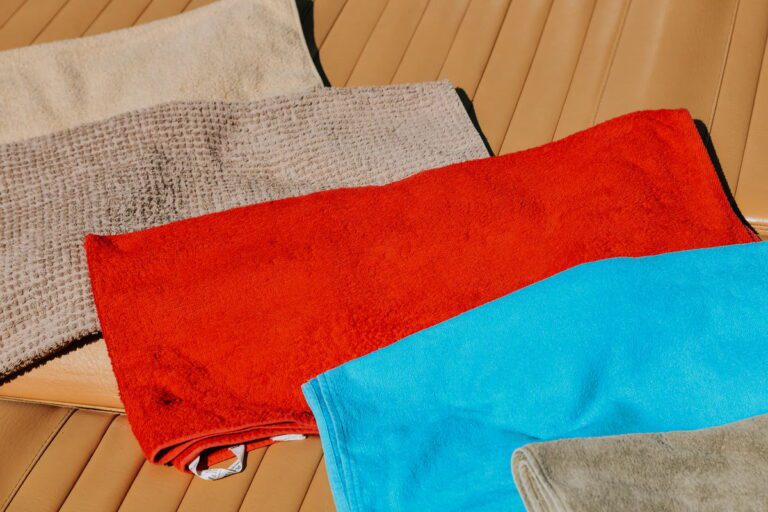
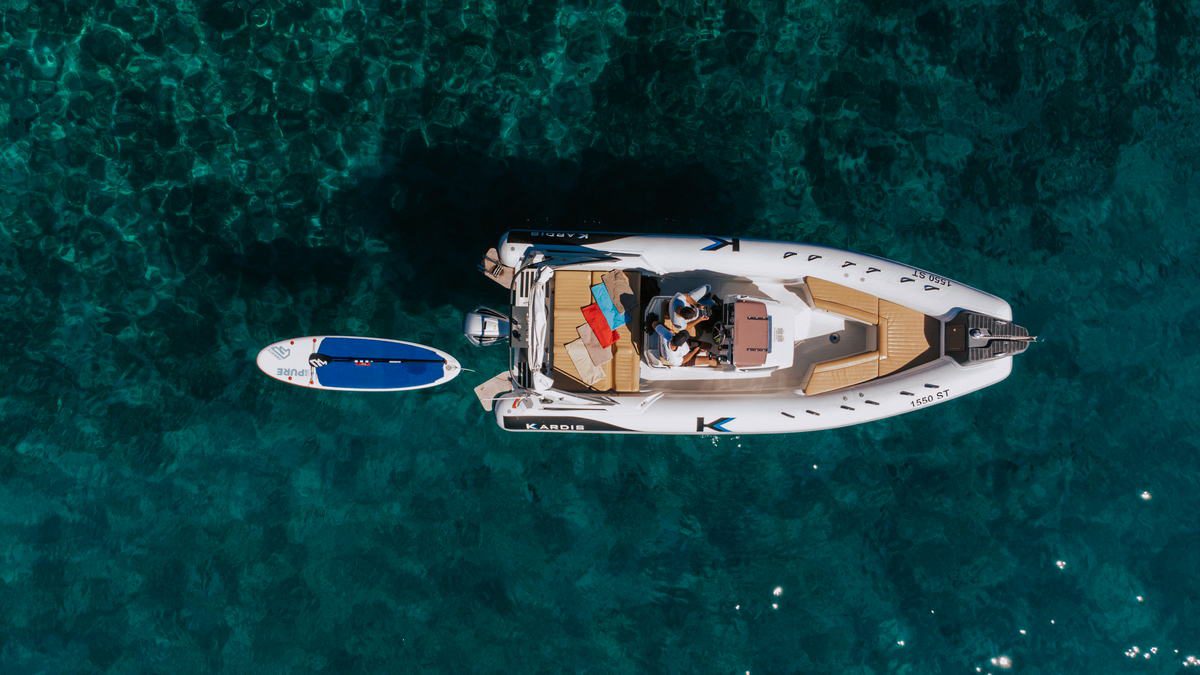
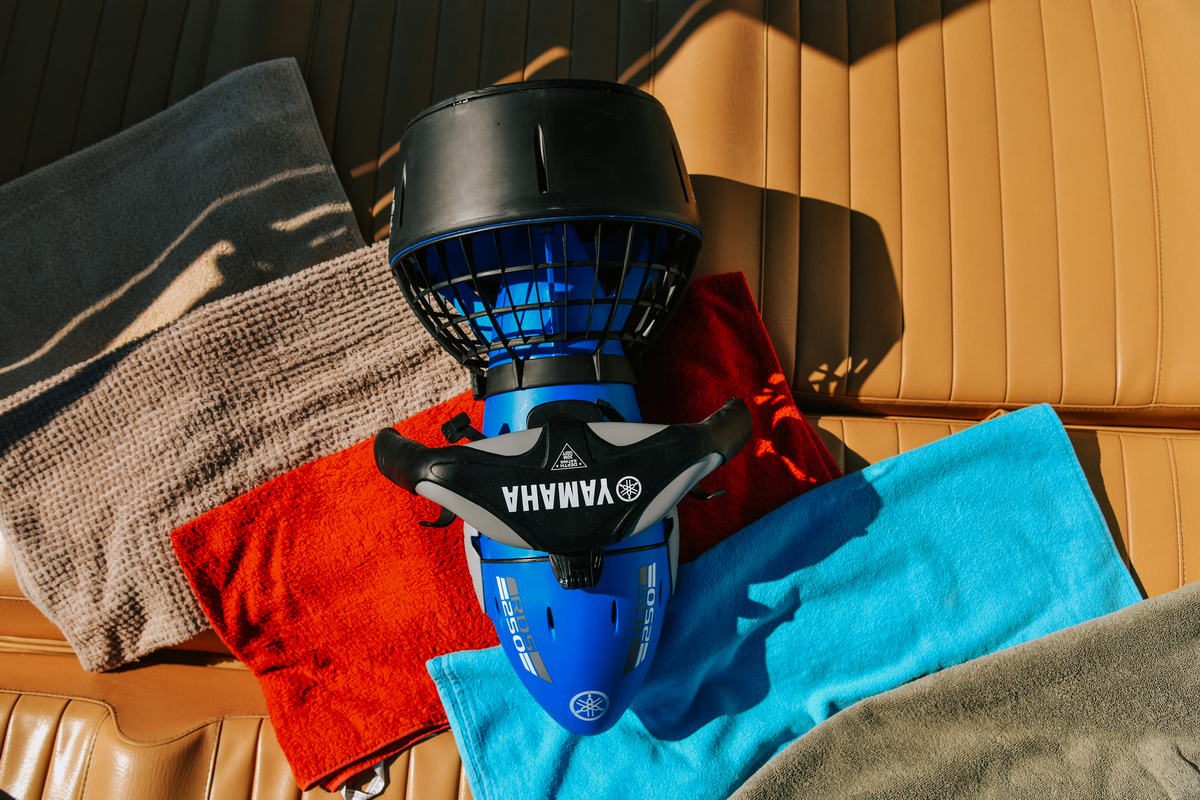
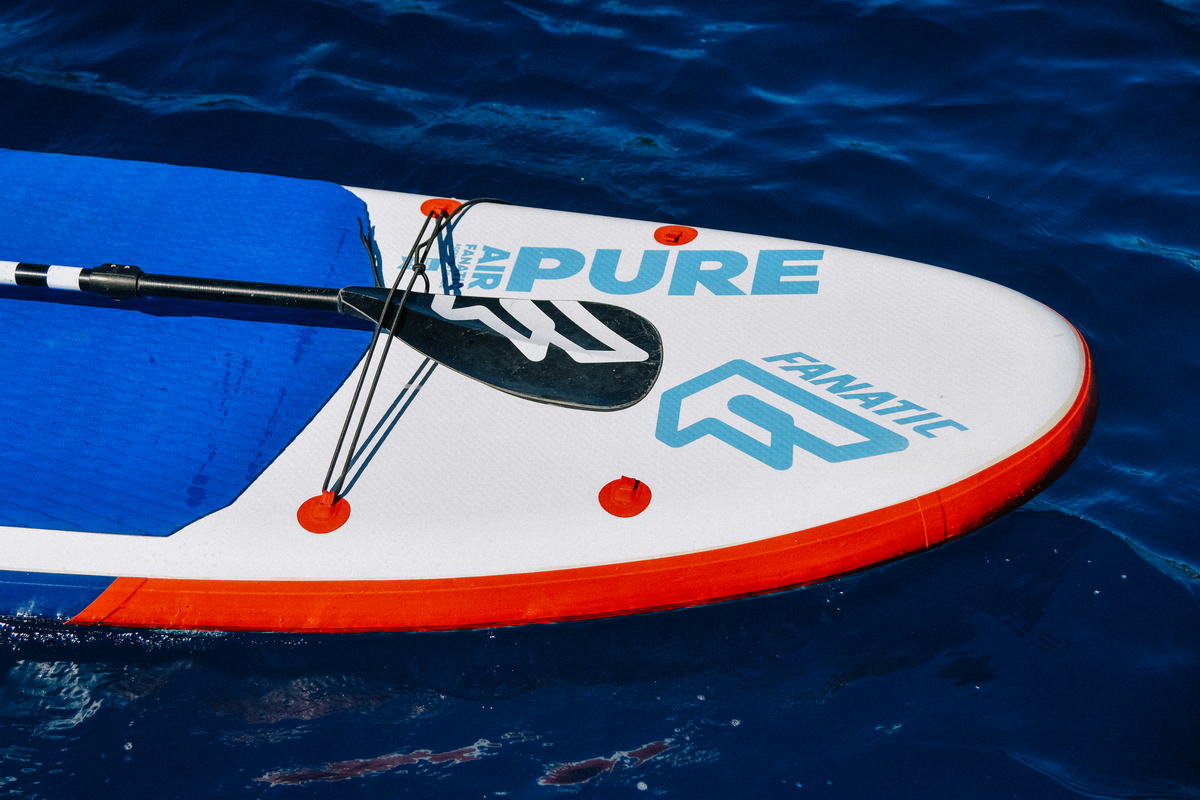
Swimwear, a towel, sunscreen, sunglasses, a hat, a light jacket for the crossings, water shoes if you dislike pebbles underfoot, a change of clothes and cash or card for lunch. Water, snorkelling gear and safety equipment are already on board. Want to add a sea scooter and SUP to your day? These can be arranged as an extra.
No extra cost for pick-up at this location
Extras
Boat pickup 60€
Fun pack sea scooter and sup padlleboard 60€
Towels 10€ per group
Location
Gallery

Booking form
FAQ
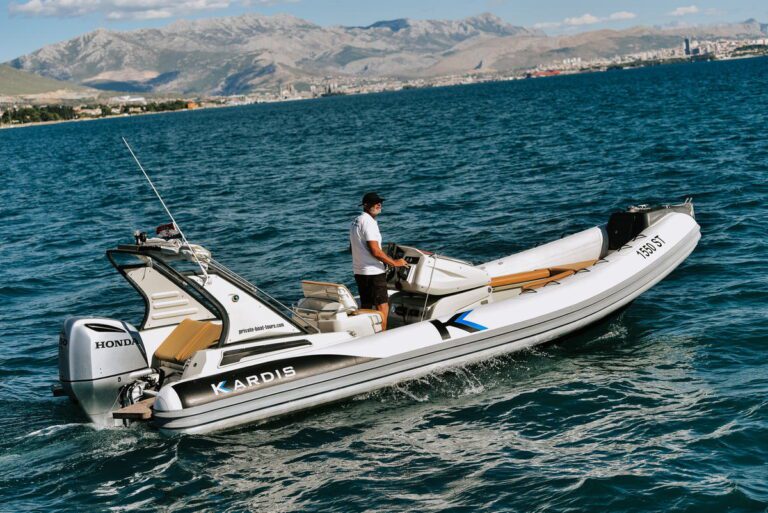
What is RIB?
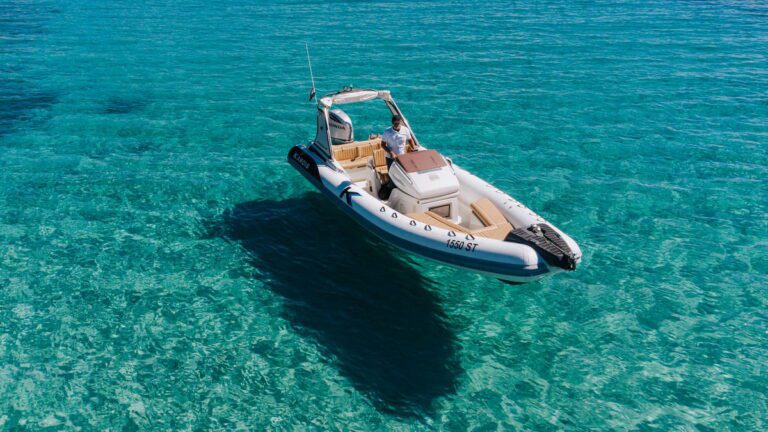
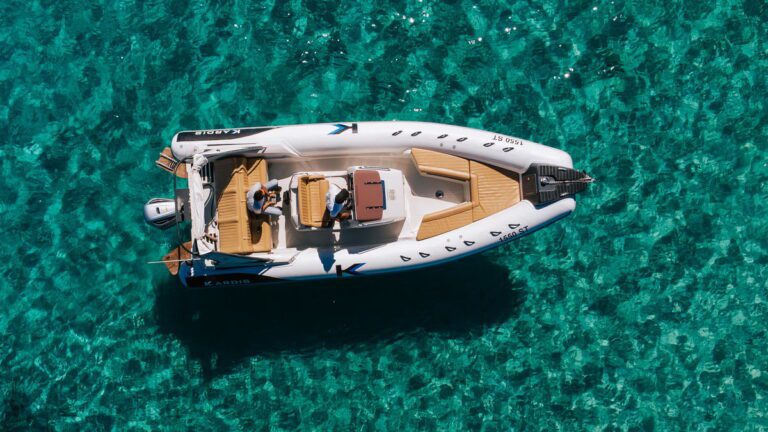
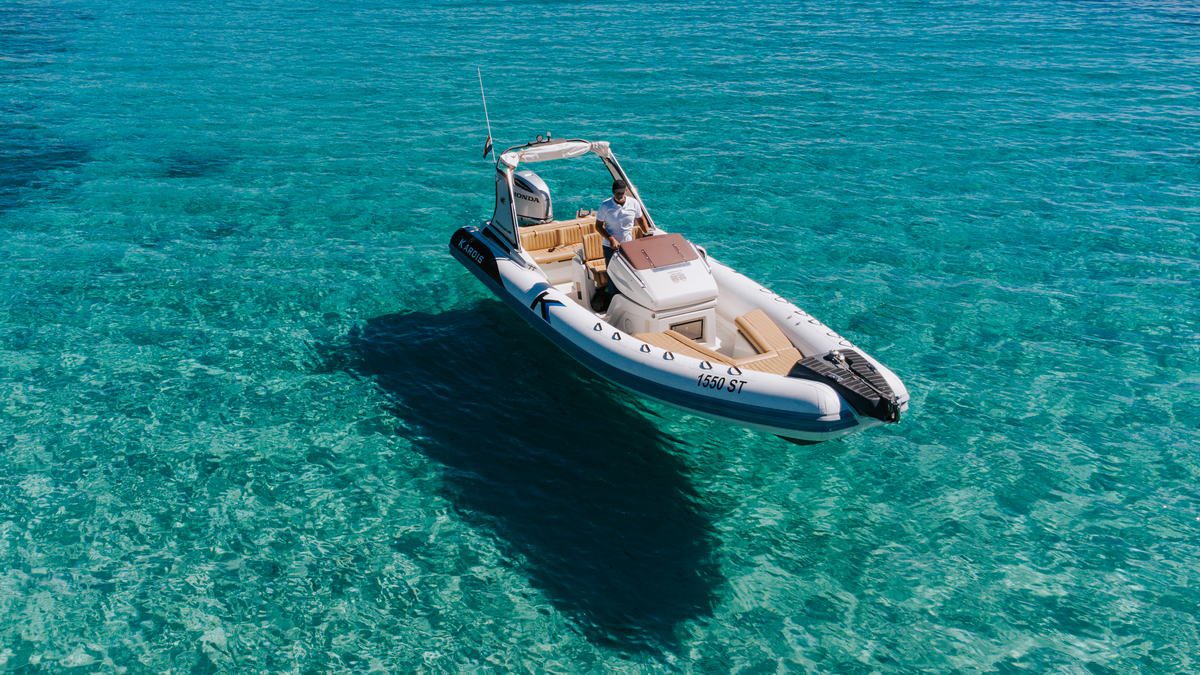
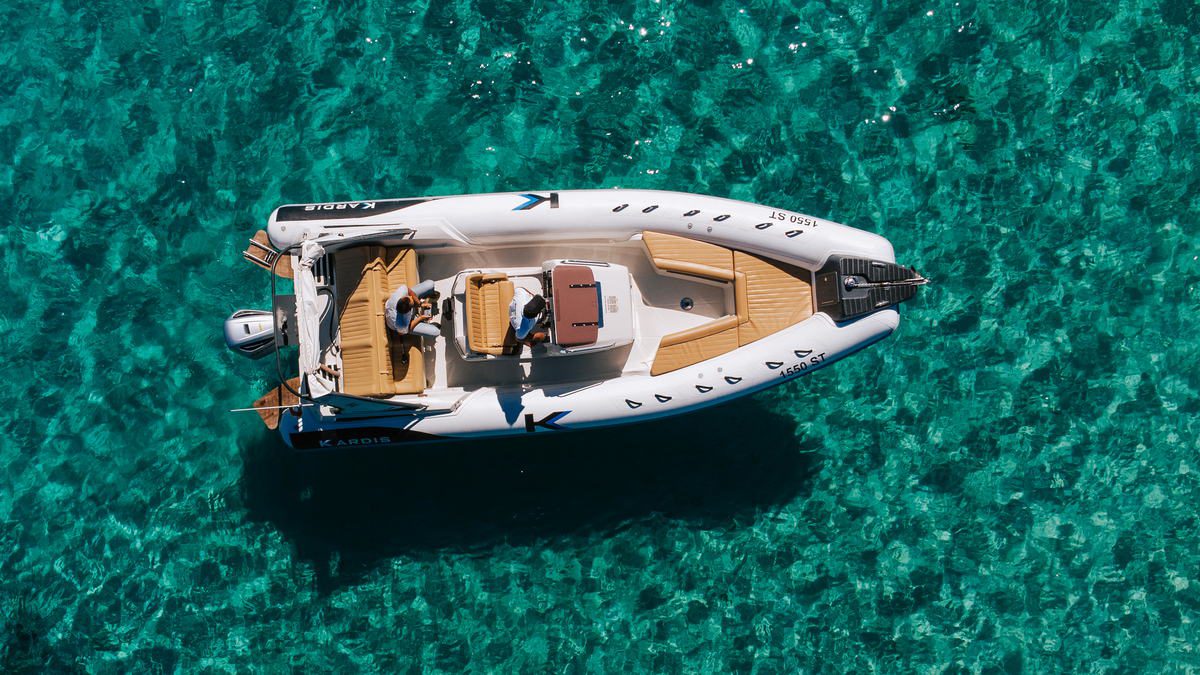
The RIB ( Rigid Inflatable Boat ) is a kind of speed boat with a hull made of polyester. Around this hull is an air-filled tube applied. The low weight, combined with the rigid hull and a strong engine makes it a very seaworthy and maneuverable speedboat.
Is there a bathroom on the boat?
No, there isn’t a bathroom on board. However, rest assured, there will be restaurants with bathroom facilities available at many of our tour stops.
Can I smoke on board?
Smoking is not allowed on board.
Can I bring alcohol on board?
Yes, responsible alcohol consumption is allowed on board the boat.
Can I play my music onboard?
Yes! Our boat is equipped with a Bluetooth audio system, which you may use to connect your own Bluetooth-enabled device.
Can I swim and dive in the Blue Cave?
The cave is protected, therefore swimming and diving are not allowed. The length of the time you will spend inside the cave is limited by the concessionaire, 15 minutes per boat.
Is it necessary to book online in advance?
Absolutely yes, if you want to make sure you get access at your desired time. Our boat tours are usually fully booked a few days in advance, especially in the high season.
Will I get wet?
Usually our boats are dry, but if it’s a windy day, some spray may blow across the deck. We will brief you on the weather conditions before departure.
What to bring on the boat trip?
On the private boat trip, you can bring a swimsuit, sunglasses, spare clothes, a camera, sunscreen and money for lunch.
Where is a pick-up point for private boat tours in Split?
How to make a reservation/booking?
Simply let us know your preferred date via inquiry or email ([email protected]) to make a reservation. If your first choice isn’t open, feel free to suggest an alternative. Once we confirm excursion availability on your requested date, we’ll proceed to reserve the boat in your name.
How to do my payment?
You can either pay via bank transfer, ensuring it’s done at least two days before departure, or you can choose to pay in cash on the day of your private boat tour.