
Šolta Island half day private boat tour
Šolta Island Half-Day Private Boat Tour from Split
Šolta is the island you can see from the Split waterfront, and this is the shortest way to actually land on it. Five hours, two villages on its north-east coast — Nečujam and Stomorska — and a boat that belongs only to your group.
It is the only tour we run that goes to Šolta and nowhere else: no Trogir on the way, no second island in the afternoon. The channel is narrow, so you are in the water within half an hour of leaving the pier, with time to swim, walk a harbour and sit down for lunch.
Which part of Šolta do you actually see?
Šolta covers 58.98 km² and has eight settlements, four inland and four on the coast. Five hours does not cover all of that, so it is worth knowing which part you get.
This tour works the north-east coast: Nečujam, the largest bay on the island, and Stomorska, its oldest coastal settlement, 12 km apart by road and a short run apart by sea.
You do not see the western end — Maslinica, the seven islets in front of it and the Marchi castle — or Rogač, the ferry port between the two. All three are on other routes of ours, compared side by side further down.
The route
The tour lasts five hours in total, as a morning departure (09:00 to 14:00) or an afternoon one (14:00 to 19:00). We do not publish a minute-by-minute schedule: with two stops on a private boat, how long you stay in each is your call, and most groups give one of them the bigger half.
Departure from Split
You meet your skipper at the agreed pick-up point, get a short safety briefing and head straight across the channel. Šolta lies about nine nautical miles out — half an hour by fast boat, against an hour on the Jadrolinija car ferry to Rogač. There is no open-water leg on this route at any point.
Nečujam
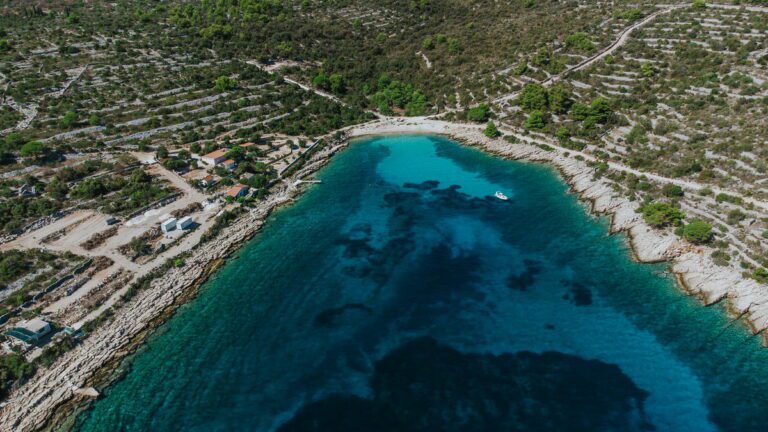
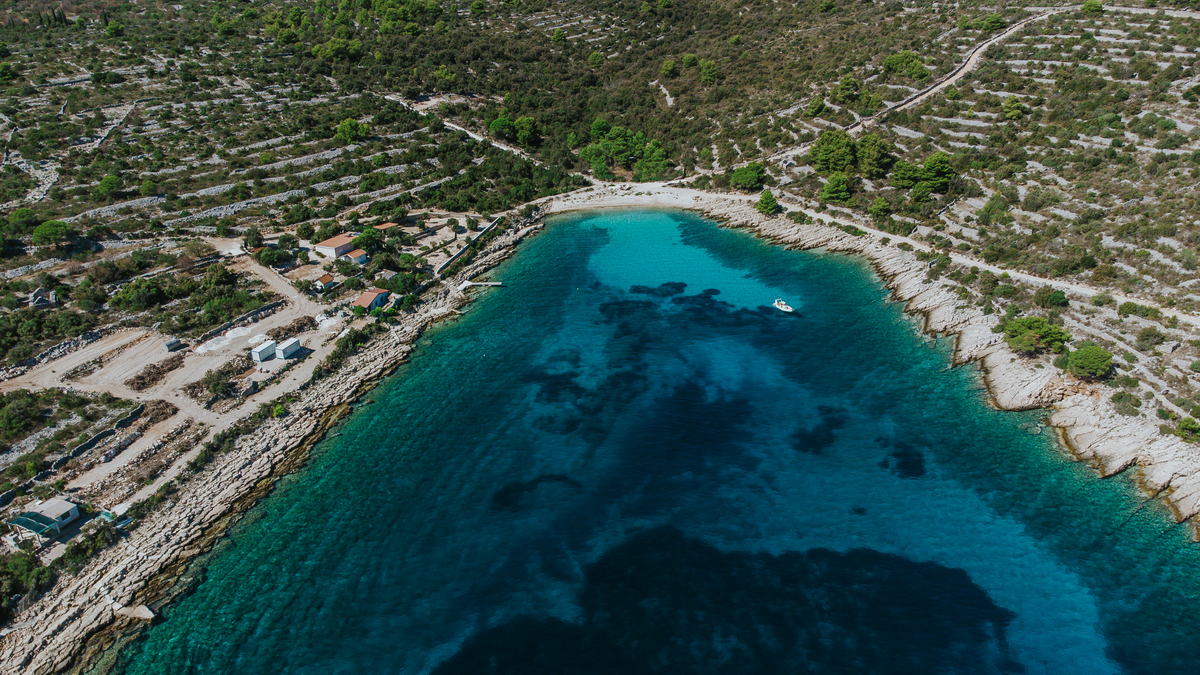
Nečujam is the largest bay on Šolta and, strictly speaking, eight small coves inside one big one: Supetar, Bok od Supetra, Šumpjivina, Podkamenica, Maslinica, Tiha, Bok od rata and Piškera. The cove called Maslinica is not the village of that name at the other end of the island.
Its Latin name was Vallis Surda, the deaf bay: so large and so enclosed that sound gets swallowed in it.
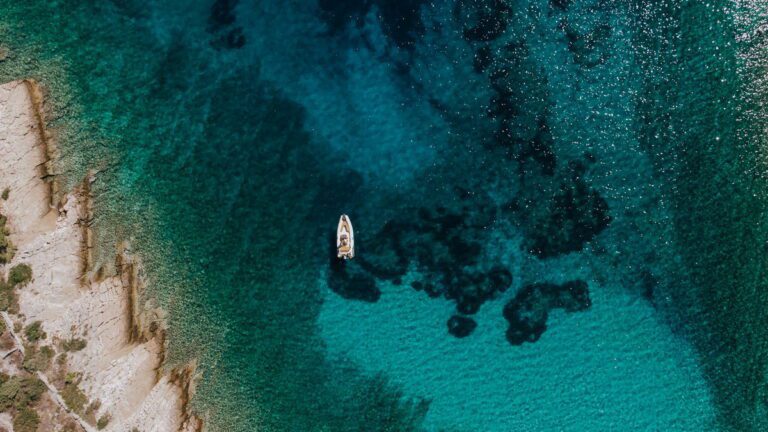
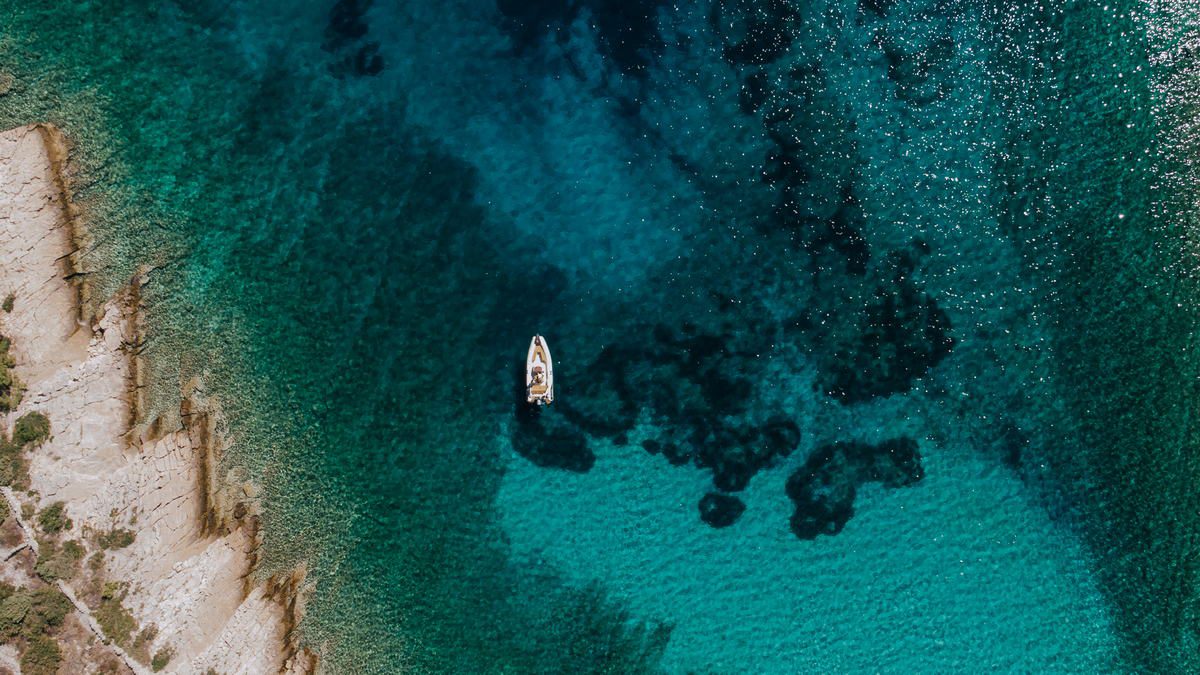
The cove to swim in is Piškera, and the name is the clue — it comes from piscina, a Roman fishpond. A stone barrier roughly 64 metres long still runs across part of the cove, built to pen live fish in, with gaps left for the water to circulate. It is submerged, protected as cultural heritage and visible from the surface on a calm day, so you can snorkel over it with the mask that is already on board. Local tradition ties it to Diocletian's palace across the channel; the archaeology confirms the fishpond, not the emperor.
Marko Marulić, the father of Croatian literature, stayed in this bay in the house of his friend Dujam Balistrilić, restored in 2025 and still standing by the water.
The beaches on both sides are pebble and rock with pine shade behind them, not sand.
Stomorska
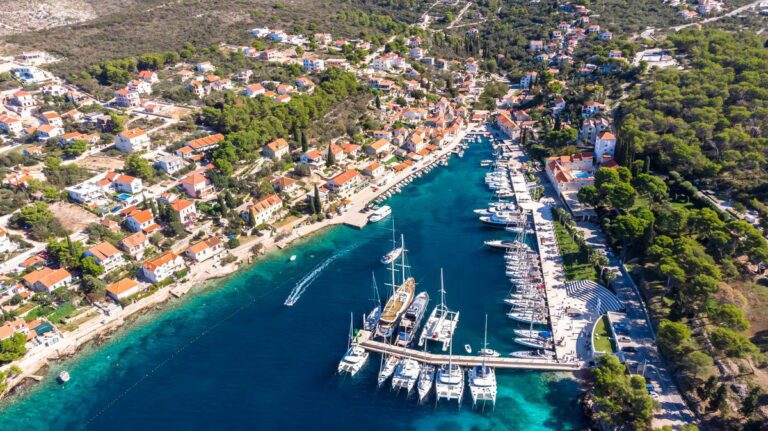
Stomorska sits at the eastern end of the north coast and is the oldest coastal settlement on Šolta — everything older on this island was built inland, out of sight of pirates. Its name is a Croatian contraction of Santa Maria, after the monastery that once stood here.
About 250 people live in it year-round, and what they were known for was the sea. Stomorska families owned sailing ships and made their living carrying grain, lime and other cargo along the Adriatic. Their descendants still own sailing ships, only now they run week-long cruises on them, and there is usually one moored in the harbour.
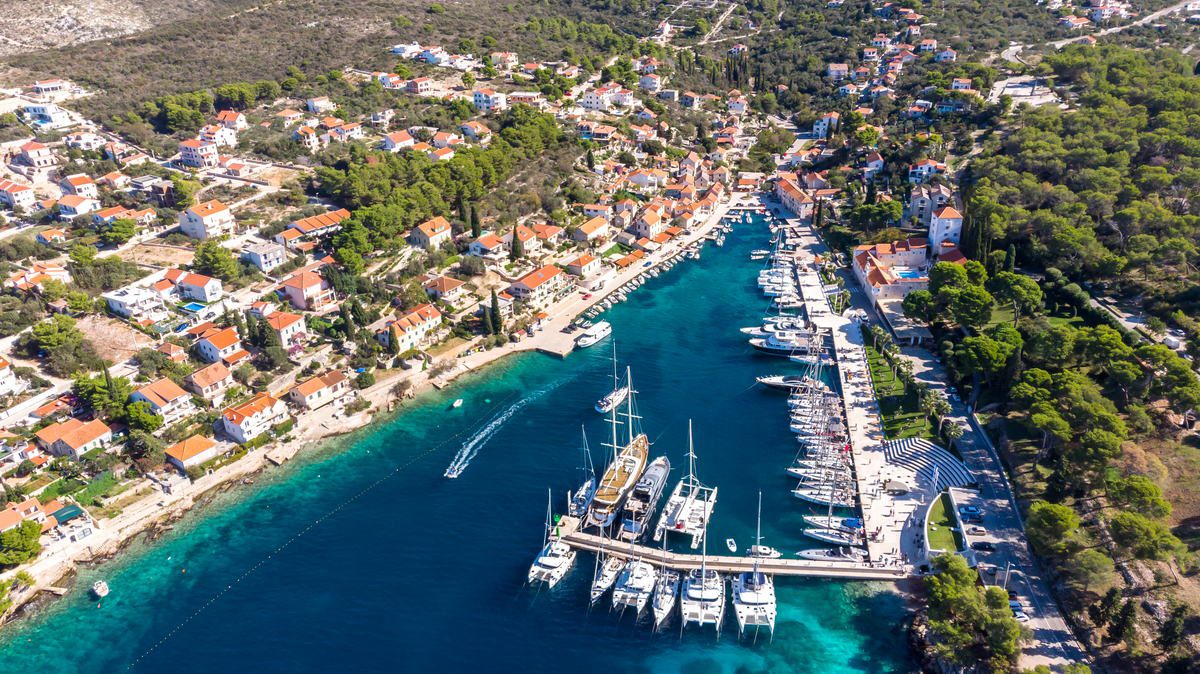
The bay is a narrow inlet with the village wrapped around it and restaurants along the quay. It is 12 km by road from the ferry port, which is why day-trippers who arrive on foot rarely get this far.
Return to Split
Both stops face the mainland, so the run home is short: twenty to thirty minutes across the channel, with Marjan and the mountains behind Split ahead of you.
What Šolta is known for
Three island products are worth knowing about before you order lunch.
Šoltansko maslinovo ulje has held EU protected designation of origin status since 21 October 2016, and the rules are specific: at least 50% must come from Levantinka, the island's own olive variety, and Levantinka and Oblica together at least 95%.
Dobričić is an old Šolta red grape that nearly disappeared in the last century. DNA work identified it as one of the two parents of Plavac Mali — the other being Crljenak kaštelanski, the grape the rest of the world calls Zinfandel.
The third is honey from the wild rosemary that covers the island's interior.
Which Šolta tour is yours?
Four of our routes reach Šolta, and each reaches a different part of it.
This tour — half day, north-east coast, from 450 €
Five hours, two stops, Nečujam and Stomorska. The only route that goes to Šolta and nothing else, and the only one that calls at Stomorska. Take it if you want the island itself rather than the island as one stop in a longer day.
Trogir, Blue Lagoon, Rogač and Nečujam — full day, from 522 €
Ten hours, four stops: UNESCO-listed Trogir, the Krknjaši lagoon, then Rogač and Nečujam. Same bay, but most of that day happens before you reach it.
Kaštilac, Trogir, Blue Lagoon and Šolta — full day, from 549 €
Six stops, the Game of Thrones islet at Kaštel Gomilica among them, and the only route that reaches Maslinica. Most ground covered, least time in each place.
Maslinica sunset ride — three hours, from 342 €
Evenings only: the west end of the island, dinner in the village and the seven islets in the last light.
Short version: Stomorska is only on this tour, Rogač only on the Trogir route, Maslinica only on the other two.
Morning, afternoon, and the best time of year
The morning departure, 09:00 to 14:00. Calmer sea, empty bays, and you are back in Split with the afternoon ahead of you. This is the slot to take in July and August.
The afternoon departure, 14:00 to 19:00. The warmest water of the day, softer light, and the option of an early dinner in Stomorska.
By season: May and early June bring comfortable air, a sea around 20–22 °C and almost nobody in Nečujam. July and August are warmest and busiest — Nečujam is the island's main tourist bay. September has the warmest sea of the year without the crowds, and October still works on calm days.
Because the route stays inside the Split channel, we can usually still run it when wind cancels the outer-island trips.
Who is this tour for?
Families with young children
The shortest crossing we run, sheltered water both ways.
Guests short on time in Split
Half a day at sea, half a day in the city.
Repeat visitors
Šolta is the island most day trips sail straight past on the way to Hvar.
Anyone for whom ten hours on a boat is too much
Guests with back problems, guests in advanced pregnancy, older travellers.
If you came to Croatia for the postcard sights — Hvar Town, the Blue Cave, Zlatni rat — this is not the tour; take a full-day route instead. And if five hours is right but you would rather swim than walk, the half-day Blue Lagoon tour spends more of them in the water.
What to bring
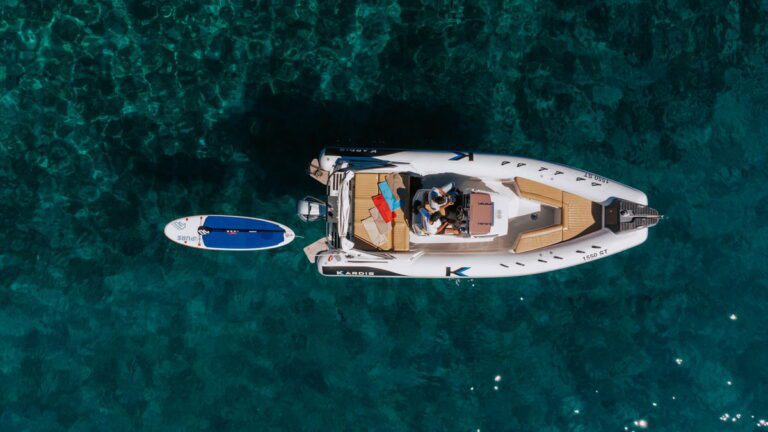
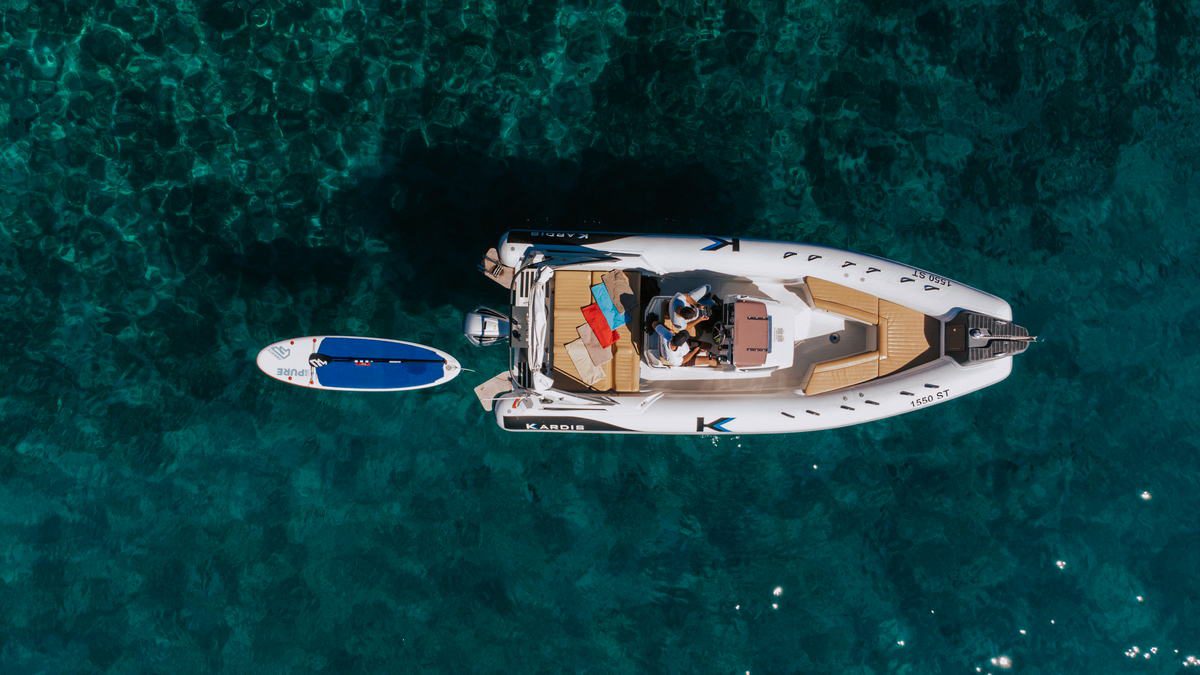
Swimwear, sunscreen, sunglasses, a hat, a light jacket for the crossing, and cash or card for lunch. Water, snorkelling gear and safety equipment are already on board; towels can be added for 10 € per group. Want to add a sea scooter and paddleboard to your day? These can be arranged as an extra.
Still deciding which islands to fit into your week? Our guide to island hopping from Split sets out what each one is good for.
No extra cost for pick-up at this location
Extras
Boat pickup 60€
Fun pack sea scooter and sup padlleboard 60€
Towels 10€ per group
Location
Gallery

Booking form
FAQ
How long is the half-day Šolta tour?
Five hours, either 09:00 to 14:00 or 14:00 to 19:00. The departure time can be moved for your group, and the boat is yours for the whole five hours either way.
Where does this tour actually go on Šolta?
To the north-east coast: Nečujam, the largest bay on the island, and Stomorska, its oldest coastal settlement. It does not go to Maslinica or Rogač, which are on our other Šolta routes.
Should we take the morning or the afternoon departure?
The morning is calmer and quieter, which matters most in July and August. The afternoon has the warmest water and lets you finish with an early dinner in Stomorska. Both cover the same two stops.
How far is Šolta from Split?
About nine nautical miles across the Split channel, roughly half an hour by fast boat. The car ferry to Rogač takes an hour and the catamaran thirty minutes.
Are there sandy beaches on this tour?
No. The beaches in Nečujam and Stomorska are pebble and rock with pine shade behind them. The island's only sandy beach is Šipkova near Maslinica, at the western end, which is not on this route.
Can we snorkel over the Roman fishpond in Nečujam?
Yes. It is a submerged stone barrier about 64 metres long in Piškera cove, visible from the surface in calm conditions. It is protected cultural heritage, so look but do not stand on it or take anything.
Can we have lunch on the tour?
Yes, there are restaurants in both villages, with the wider choice on the quay in Stomorska. Lunch is not included in the price, and the afternoon departure works well as an early dinner.
Should I take this tour or a full day that includes Šolta?
Take this one if Šolta is what you came for. The full-day routes do Trogir and the Krknjaši lagoon first and reach the island in the afternoon: more places, less time in each.
Is this tour suitable for children and guests who are not confident on boats?
It is the one we recommend first. The crossing is short and stays in a sheltered channel, the swimming is calm, and children's life jackets are on board. Seasickness is unlikely here.
Is there a toilet on board, and what are the rules?
There is no toilet on the boat, but both stops have restaurants with facilities. Smoking is not allowed on board; drinks are fine in moderation, and there is a Bluetooth audio system you can connect your phone to.
What is a RIB and why do you use one?
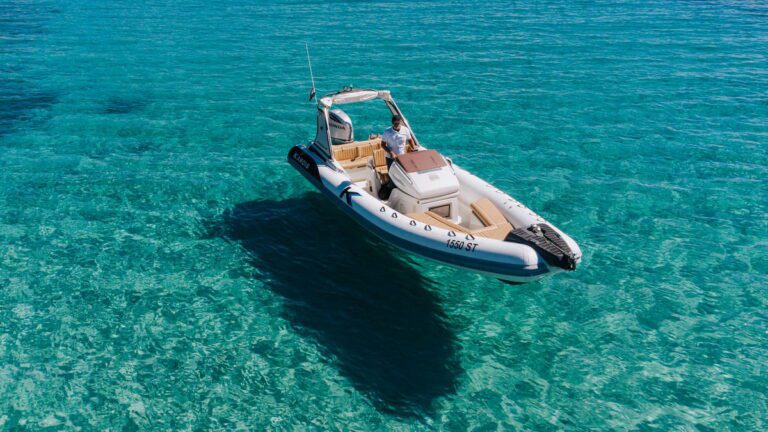
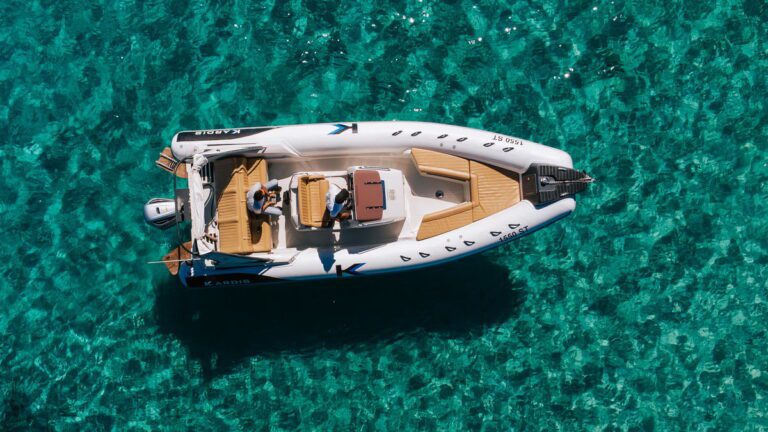
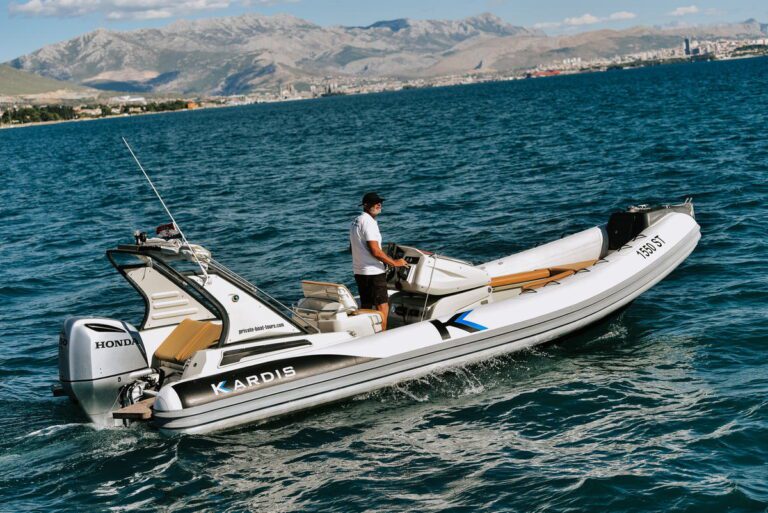
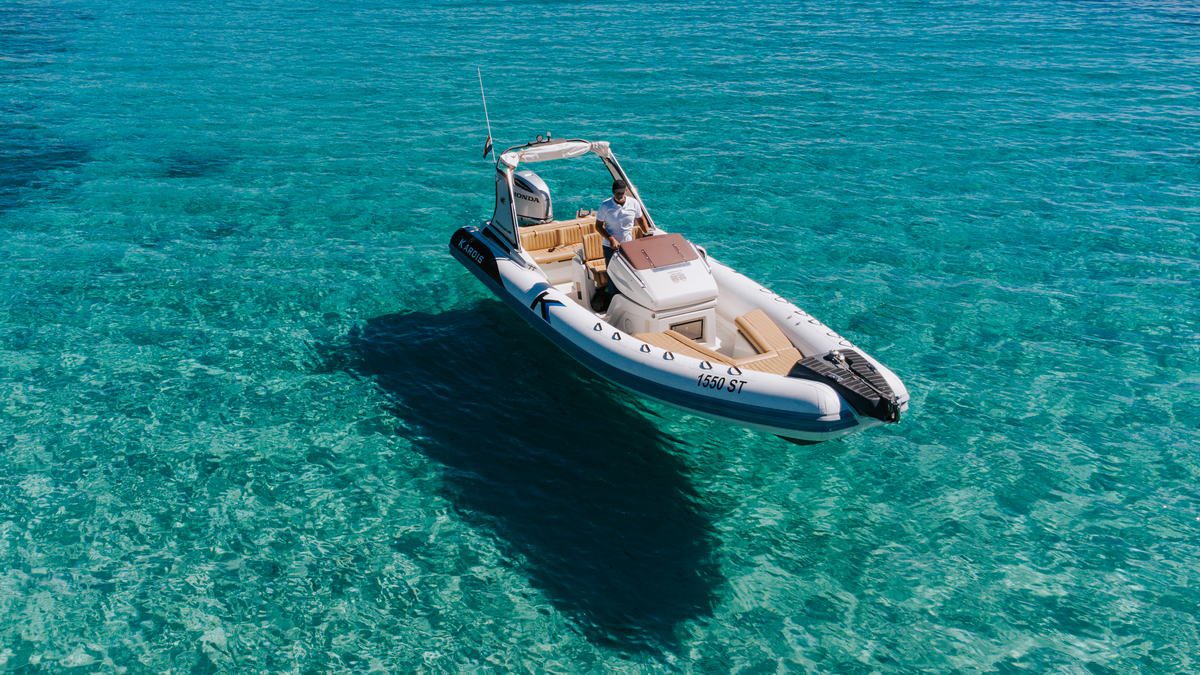
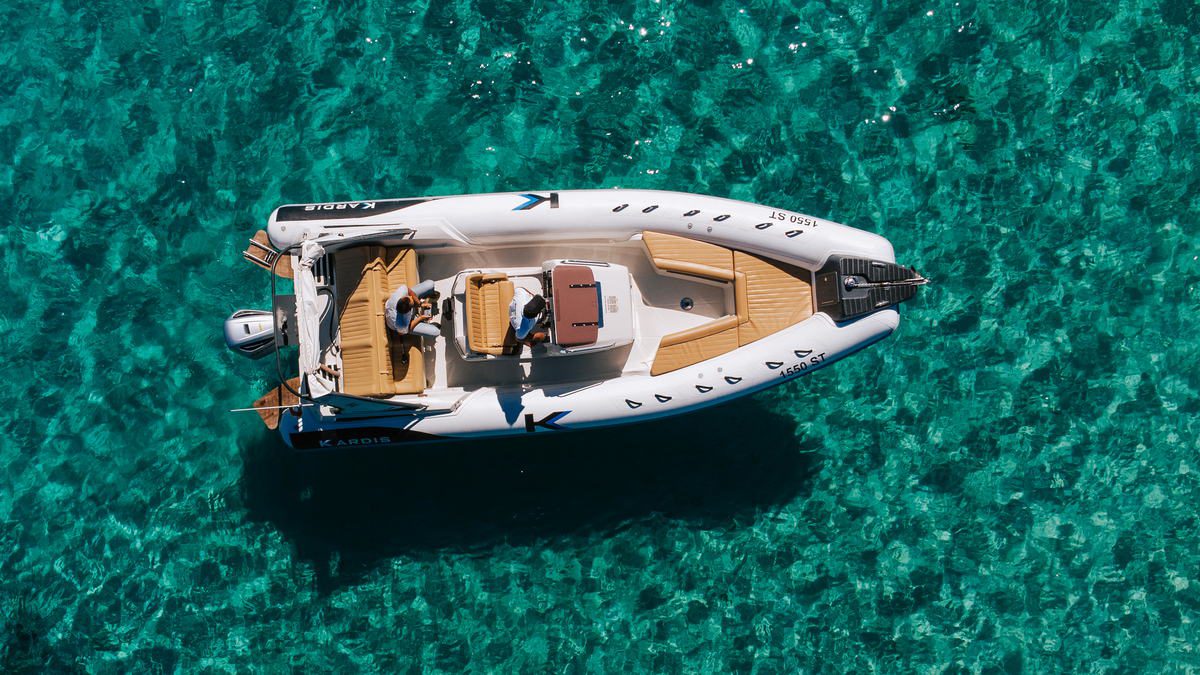
A RIB is a rigid inflatable boat — a solid hull with inflatable tubes along the sides. It is fast, stable and shallow enough to get in close to the beaches in Nečujam and alongside the quay in Stomorska.
How much does the tour cost, and how do I book?
The price is per boat, not per person, for up to 12 guests, so larger groups pay less per head; current prices, including the online booking discount, are in the table on this page. A licensed skipper, fuel, bottled water, snorkelling and safety equipment and boat insurance are included; lunch, drinks and extras are not. Tours leave from the agreed pick-up point in Split, with pick-up near your accommodation available for an extra charge. Book ahead from June to September.